





What's Happening?
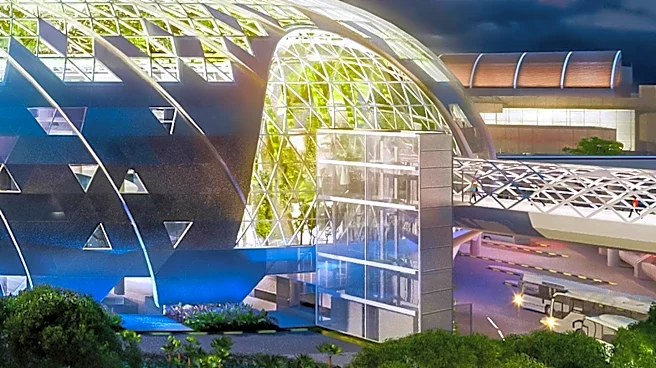
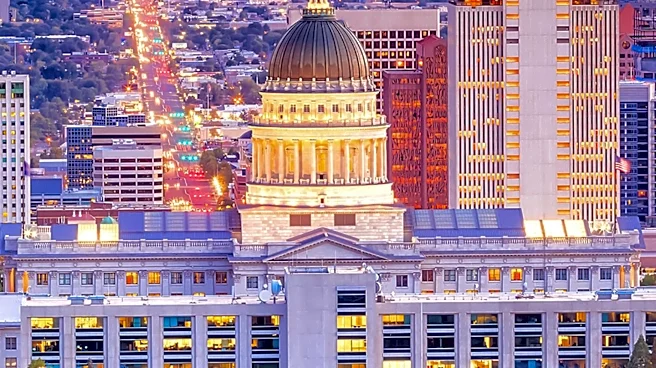
Salt Lake City International Airport has officially completed its 12-year, $5.1 billion redevelopment project. The final phase, which included the opening of seven new gates and six concessions in Concourse B-east, was celebrated with a ceremony. This
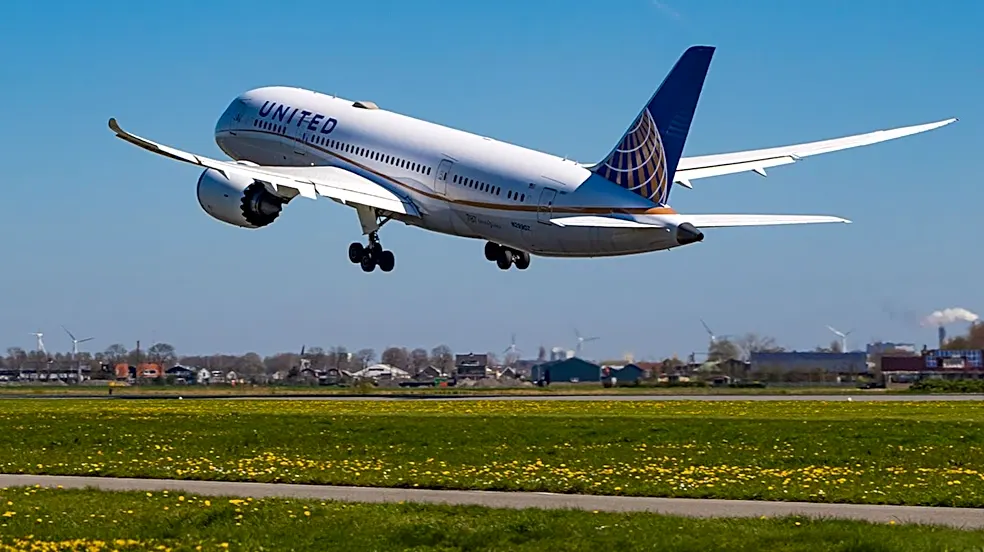
expansion brings the airport's total to 94 gates and 101 concessions, making it the first new hub airport built in the United States in the 21st century. Five of the new gates will be utilized by United Airlines, with two designated for common use. The project, which began in 2014, involved replacing three older terminals with a central terminal and two concourses, with the first phase opening in September 2020. Approximately 25,000 craft workers contributed over 18 million work hours to the redevelopment. The celebration also featured the premiere of 'Lux Altior,' an airport theme composed by Utah musician Kurt Bestor, and the unveiling of 'Crossroads to the World,' a suspended art installation made of about 2,500 laser-cut acrylic airplanes.
Why It's Important?
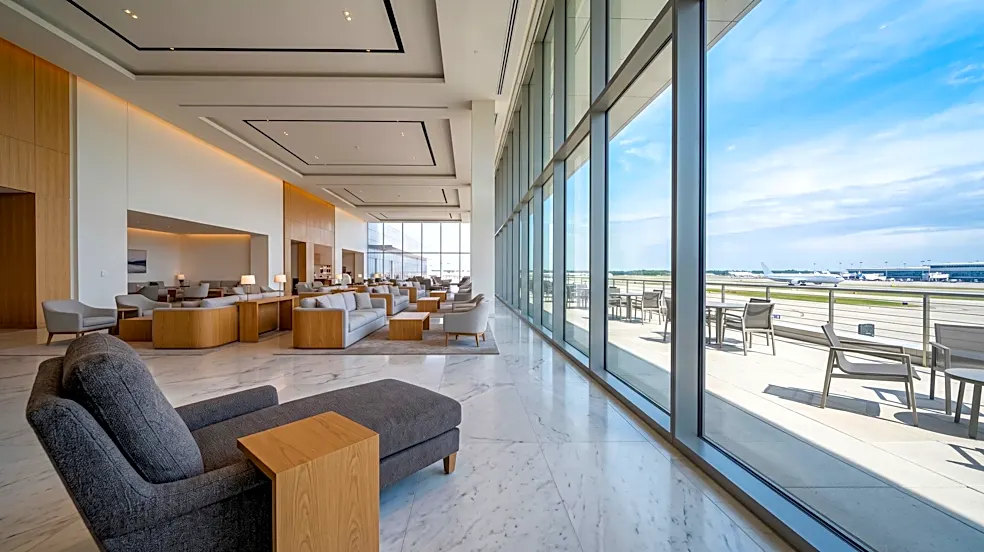
The completion of the Salt Lake City International Airport's redevelopment project signifies a major upgrade to critical infrastructure, enhancing air travel capacity and efficiency in the Western United States. This investment positions Salt Lake City as a modern aviation hub, capable of accommodating increased passenger traffic and supporting economic growth in the region. The project's funding, derived from federal grants and user fees rather than local tax dollars, demonstrates a sustainable financial model for large-scale public works. The expanded facilities, including new gates and concessions, will improve the traveler experience and potentially attract more airlines and routes, boosting tourism and business travel. Furthermore, the creation of a new hub airport in the 21st century highlights a significant development in U.S. aviation infrastructure, setting a precedent for future airport modernizations and expansions across the country.
What's Next?
With the construction phase concluded, the Salt Lake City International Airport will now focus on its operational aspects, including recruiting new carriers and undertaking capital projects that were previously deferred. The official opening of the final section of Concourse B is scheduled for October 27, which will fully integrate the new facilities into the airport's operations. Airport and city officials anticipate that the enhanced capacity and modern amenities will better prepare Salt Lake City for upcoming major events, such as the Salt Lake Temple open house next year and the potential Winter Olympics in 2034. The airport's executive director, Bill Wyatt, indicated a shift towards the regular work of running the airport and pursuing further growth opportunities now that the extensive redevelopment is complete.
Beyond the Headlines
The Salt Lake City International Airport's redevelopment project extends beyond mere infrastructure upgrades; it represents a long-term strategic investment in regional connectivity and economic resilience. The inclusion of public art installations and a specially composed theme song underscores an effort to create a unique cultural identity for the airport, enhancing the passenger experience beyond functionality. The project's scale and duration, spanning over a decade and navigating challenges like a global pandemic, highlight the complexities and perseverance required for such ambitious public works. The emphasis on user fees and federal grants for funding also points to a model that could influence how other major U.S. airports approach future expansions, balancing growth with fiscal responsibility and minimizing direct taxpayer burden. This modernization is crucial for Salt Lake City's role as a gateway to the world, reflecting broader trends in urban development and global integration.