




What's Happening?
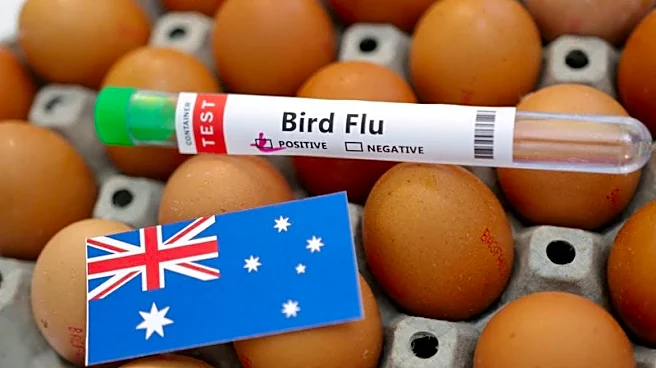
The Australian federal government has released an assessment indicating that nearly 400 native bird and mammal species are at high risk from the H5N1 bird flu virus. This assessment, conducted in collaboration with Charles Darwin University and BirdLife
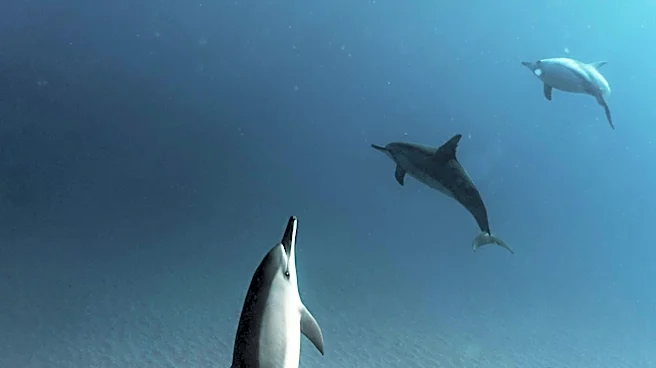
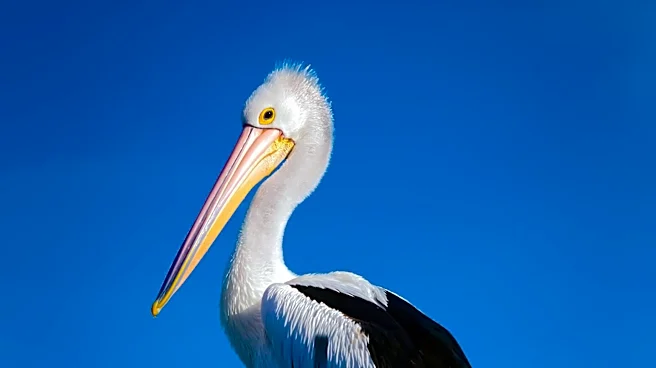
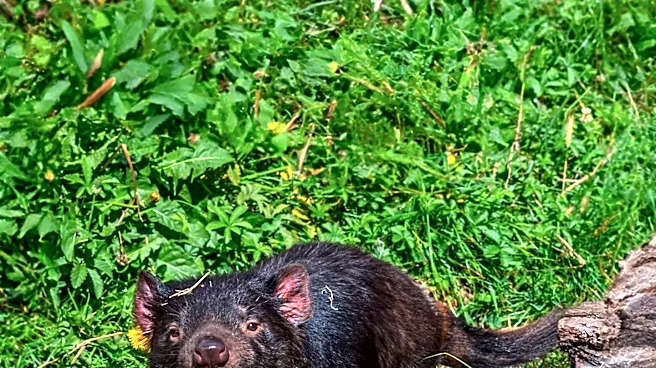
Australia, highlights that one in five of the evaluated species faces extreme, very high, or high risk. Among the species at risk are beloved animals such as penguins, fur seals, quolls, dolphins, and the Tasmanian devil. The virus has already been detected in more than 100 individual birds, with the first mass mortality event recorded in South Australia. The government has committed $113 million to prepare for bird flu, including $47 million for protective actions for threatened species.
Why It's Important?
The findings underscore the severe threat posed by the H5N1 virus to Australia's biodiversity. The potential for significant population declines among these species could have far-reaching ecological impacts, disrupting ecosystems and leading to further endangerment or extinction of vulnerable species. The government's financial commitment to combating the virus reflects the urgency of the situation, but conservationists argue that more immediate and extensive action is needed. The situation highlights the broader challenges of managing wildlife diseases and the need for robust conservation strategies to protect biodiversity.
What's Next?
Conservation groups are calling for a $200 million package to enhance on-ground efforts to protect wildlife, including controlling feral animals. The government is expected to continue its investments in protective measures and may need to increase funding and resources to effectively address the threat. Ongoing monitoring and research will be crucial to understanding the virus's impact and developing effective mitigation strategies. The situation may also prompt a reevaluation of current conservation policies and practices to better prepare for future outbreaks.