



What's Happening?
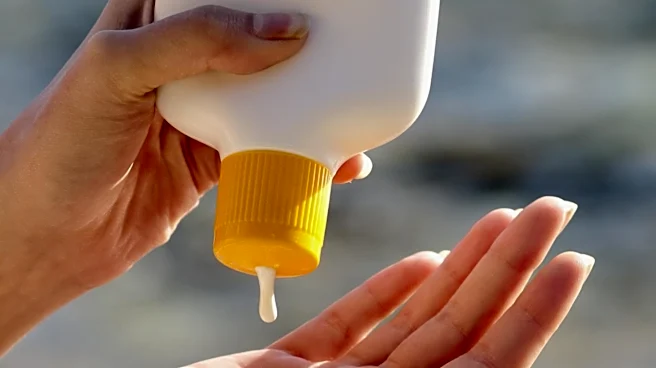
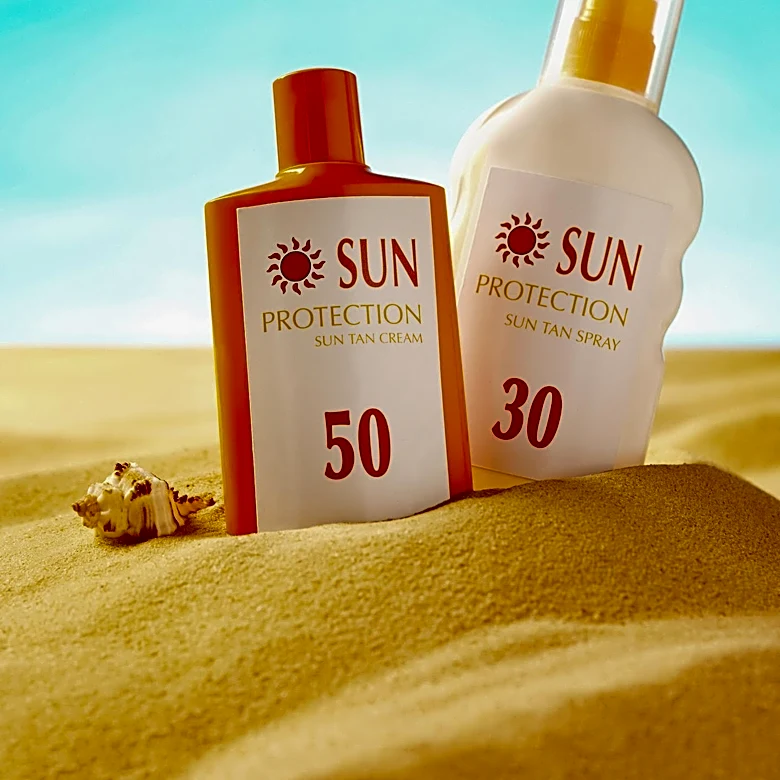
The Food and Drug Administration (FDA) has approved bemotrizinol, marking the first new sunscreen ingredient to enter the U.S. market in over 25 years. This ingredient, already used in Europe, offers protection against both UVA and UVB rays without the white
residue associated with mineral-based sunscreens. Bemotrizinol will be marketed under the brand name Parsol Shield by DSM Nutritional Products, a Dutch manufacturer, and will be available later this year. The approval follows a streamlined process authorized by Congress in 2020, aimed at updating the FDA's list of safe nonprescription drug ingredients. The ingredient is deemed safe for adults and children over six months old.
Why It's Important?
The approval of bemotrizinol is significant as it addresses a long-standing gap in the U.S. sunscreen market, which has lagged behind other regions in adopting new sun protection technologies. This development could lead to more effective sun protection options for consumers, potentially reducing the risk of skin cancer and other sun-related skin damage. The decision also reflects a shift in regulatory processes, allowing for faster introduction of beneficial health products. This could encourage innovation and competition among sunscreen manufacturers, ultimately benefiting consumers with better and more diverse product offerings.
What's Next?
Following its initial release, bemotrizinol will have an 18-month exclusivity period before other manufacturers can incorporate it into their products. This could lead to a wave of new sunscreen formulations entering the market, potentially driving down prices and increasing accessibility. The FDA's ongoing updates to sunscreen regulations, including proposed measures for stronger UVA protection, suggest further advancements in sun protection standards. Stakeholders, including health advocacy groups, may continue to push for more comprehensive sunscreen regulations to ensure consumer safety and product efficacy.