




What's Happening?
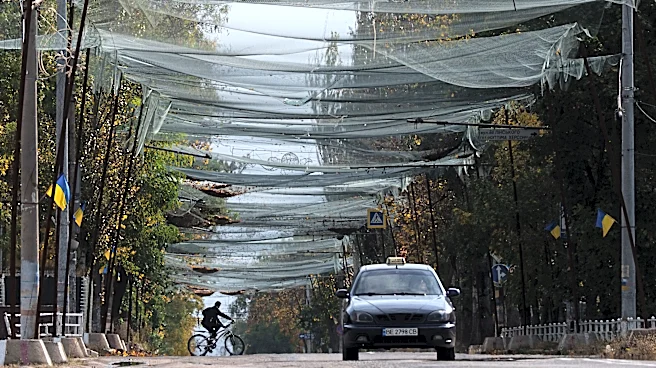
World Central Kitchen (WCK) is actively preparing for another harsh winter in Ukraine as Russian strikes on the country's energy infrastructure intensify. These attacks threaten to leave millions of families without reliable electricity, heating, water,
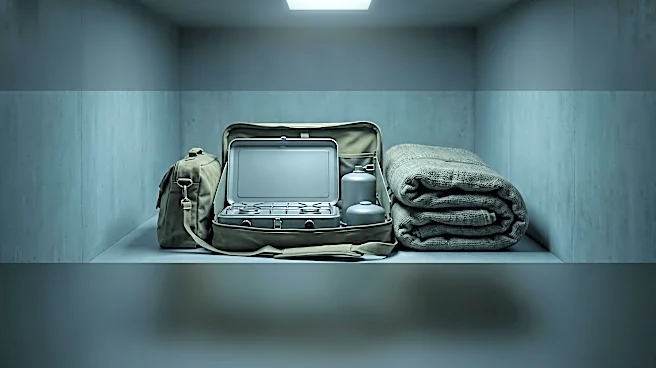
and cooking capabilities for months. Yuliya Stefanyuk, WCK’s Ukraine Response Director, detailed the organization's preparations to the BBC. WCK is focusing on providing cooking methods that do not rely on power or gas, distributing stove kits and survival kits to families facing prolonged outages, and developing new strategies to reach individuals seeking shelter in metro stations during attacks. Since 2022, WCK has served over 302 million meals across Ukraine, responding to more than 500 emergencies in 2026 alone.
Why It's Important?
The ongoing efforts by World Central Kitchen highlight the severe humanitarian crisis in Ukraine, exacerbated by targeted attacks on critical infrastructure as winter approaches. The potential for widespread lack of basic necessities like heat, water, and the ability to cook poses significant health and survival risks for millions of civilians. WCK's proactive measures are crucial for mitigating these immediate threats, providing essential support that goes beyond just food to include practical tools for survival in extreme conditions. This situation underscores the devastating impact of conflict on civilian populations and the vital role of humanitarian organizations in providing life-sustaining aid when state infrastructure is compromised. The scale of WCK's response, with hundreds of millions of meals served, demonstrates the immense and ongoing need for international support.
What's Next?
As winter progresses and strikes on energy infrastructure potentially continue, World Central Kitchen will likely scale up its distribution of non-power-dependent cooking solutions, stove kits, and survival kits. The organization will also need to adapt its logistical strategies to reach increasingly isolated or displaced populations, including those sheltering in underground facilities. Continued fundraising and volunteer mobilization will be essential to sustain these extensive operations. The international community will likely face renewed calls for humanitarian aid and support for Ukraine, as the winter conditions are expected to worsen the already dire situation for many families. WCK's ability to innovate and adapt its response will be critical in the coming months.
Beyond the Headlines
The systematic targeting of energy infrastructure in Ukraine raises significant concerns about international humanitarian law, which prohibits attacks on objects indispensable to the survival of the civilian population. The long-term implications of such destruction extend beyond immediate survival, impacting public health, economic recovery, and the psychological well-being of the population. WCK's focus on resilient cooking methods and survival kits points to a broader trend in humanitarian aid: moving beyond immediate food provision to empowering communities with tools for self-sufficiency in crisis zones. This approach not only addresses immediate needs but also builds a degree of resilience against prolonged disruptions, reflecting a deeper understanding of the complex challenges faced by populations in protracted conflicts.