






What's Happening?
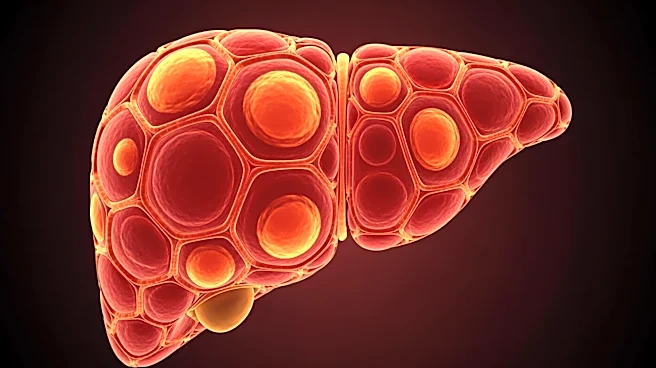
A new study published in Nature has unveiled a high-resolution genetic atlas of the human liver, revealing a more complex division of labor among liver cells than previously recognized. Conducted by scientists from the Weizmann Institute of Science and
collaborators, the research shows that liver cells divide their tasks based on their location within the liver lobule. The study identifies eight distinct regions with specific roles, challenging the traditional view of three functional zones. This detailed mapping helps explain why certain liver regions are more susceptible to diseases like fatty liver disease, viral infections, and cancer.
Why It's Important?
The findings from this study have significant implications for understanding liver diseases and developing targeted treatments. By mapping the precise genetic activity within the liver, researchers can identify why certain regions are more vulnerable to specific diseases. This knowledge could lead to the development of therapies that target the genes responsible for these vulnerabilities, potentially improving treatment outcomes for conditions like fatty liver disease and liver cancer. Additionally, the approach used in this study could be applied to other organs, enhancing our understanding of human biology and disease mechanisms.