





What's Happening?
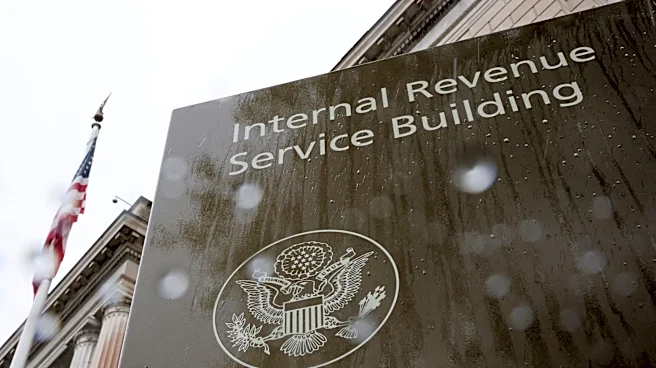
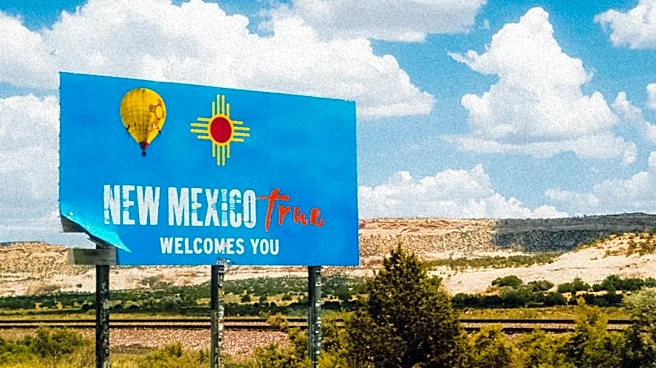
The U.S. Government has opened applications for Management and Program Analyst positions specializing in Wildland Fire. These roles are available in Las Cruces, New Mexico, and Roswell, New Mexico. The application window is open to the first 50 applicants
or until October 1, 2026, whichever comes first. All applications submitted by 11:59 EST on the closing day will be considered. Applicants must select their desired duty locations, as they will not be considered for unselected locations. These positions are part of broader government career opportunities that offer stability, competitive benefits, and avenues for professional growth and public service.
Why It's Important?
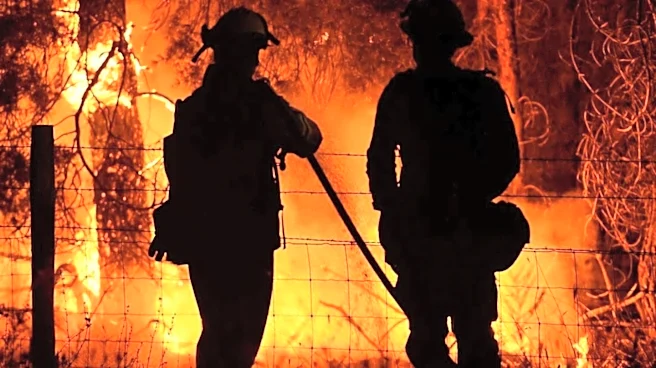
The creation of these Wildland Fire Analyst positions underscores a growing national focus on managing and mitigating the increasing threat of wildland fires, particularly in states like New Mexico which are prone to such events. These roles are crucial for developing and implementing strategies to protect communities, natural resources, and infrastructure from fire damage. The emphasis on government careers highlights the sector's appeal for job stability and benefits, potentially attracting skilled professionals to critical public service areas. This initiative reflects a strategic investment in environmental protection and emergency preparedness, impacting local economies through job creation and enhancing regional safety.
What's Next?
Prospective candidates are encouraged to apply promptly, given the 'first 50 applicants' clause. The selection process will proceed after the application window closes, with successful candidates filling vital roles in wildland fire management. The long application period, extending to October 2026, suggests a sustained need for these specialized positions. The U.S. Government will likely continue to monitor wildland fire trends and adjust staffing and resource allocation as needed, potentially leading to further job announcements or program expansions in the future to address evolving environmental challenges.
Beyond the Headlines
These positions represent more than just job openings; they signify a broader societal recognition of the escalating environmental challenges posed by wildland fires. The investment in analytical roles suggests a shift towards more data-driven and strategic approaches to fire prevention and response. This could lead to advancements in fire modeling, resource deployment, and community engagement strategies. The long-term implications include enhanced ecological resilience, reduced economic losses from fire, and improved public safety, reflecting a proactive stance on climate-related disasters and their management.