








What's Happening?
Newer testing methods have revealed a significant silent spread of measles in the United States, particularly in Utah and Arizona, threatening the country's measles elimination status. Reports indicate that measles cases have topped 1,700 in the first
four months of the year, with a major outbreak in a community spanning northern Arizona and southern Utah. The outbreak, which has grown to over 600 reported cases, is linked to low vaccination rates and distrust in vaccines within certain communities. The US Centers for Disease Control and Prevention (CDC) is using molecular evidence to trace the origins and true size of the outbreak, which may have started much earlier than initially reported.
Why It's Important?
The resurgence of measles in the US poses a significant public health challenge, highlighting the consequences of declining vaccination rates and misinformation about vaccines. Measles is highly contagious, and maintaining high vaccination coverage is crucial to prevent its spread. The potential loss of measles elimination status could have broader implications for public health policy and efforts to combat vaccine-preventable diseases. It underscores the need for effective communication and public health strategies to address vaccine hesitancy and misinformation.
What's Next?
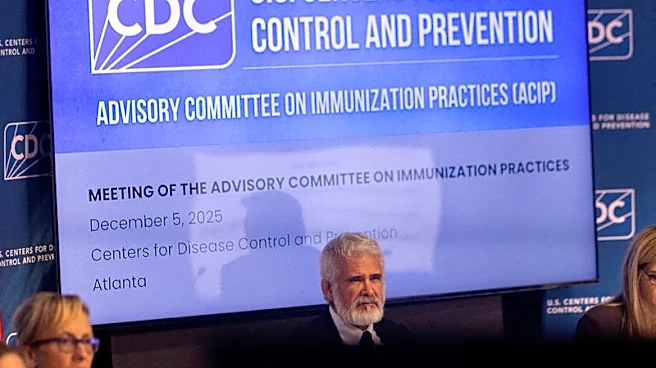
The CDC is conducting a nationwide analysis to determine the extent of measles transmission and its links to other outbreaks. A meeting to assess the US's measles elimination status is scheduled for November. Public health officials are working to increase vaccination coverage and address the factors contributing to the outbreak. The outcome of these efforts will be critical in determining whether the US can maintain its measles elimination status and prevent further outbreaks.