






What's Happening?
The Inter-Parliamentary Alliance on China (IPAC) concluded its Annual Summit, unveiling a unified strategy to address the Chinese Communist Party’s (CCP) global economic leverage and ensure stability in the South China Sea and Taiwan Strait. The summit,
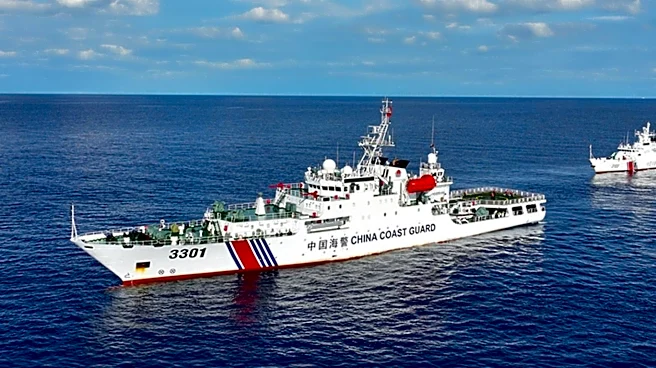
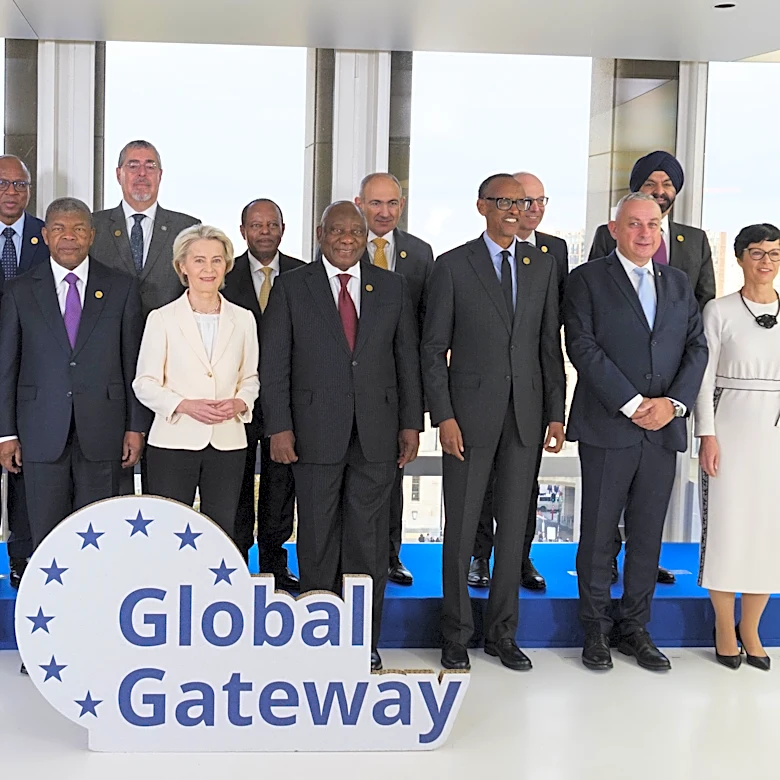
hosted by IPAC Netherlands Co-Chairs Jan Paternotte MP and Tom van der Lee MP, brought together an international delegation including former and current Prime Ministers. Key outcomes include a commitment to secure peace and stability in the South China Sea and Taiwan Strait through an international campaign, and a 'whole of society' approach to improve resilience against Chinese economic leverage. Additionally, 54 IPAC lawmakers from 26 countries issued a demand for urgent measures to combat CCP foreign interference and transnational repression, following a report by Safeguard Defenders detailing China’s global network for community control and surveillance of its diaspora. IPAC also announced the launch of a Threats Unit to provide lawmakers with verified information on PRC interference and expanded its network to include Brazil, Honduras, Poland, and Portugal, bringing its total to 325 lawmakers across 45 parliaments.
Why It's Important?
This unified strategy by IPAC signifies a growing international consensus among democratic lawmakers regarding the challenges posed by the CCP. The focus on securing peace in the South China Sea and Taiwan Strait directly impacts global trade routes and regional stability, which are critical for U.S. economic and security interests. The initiative to build resilience against Chinese economic leverage aims to protect national economies from potential coercion, a concern shared by many U.S. businesses and policymakers. Furthermore, the call to combat foreign interference and transnational repression addresses a significant threat to democratic processes and human rights globally, including within the U.S., where concerns about foreign influence operations are prevalent. The establishment of a Threats Unit indicates a more proactive and coordinated effort to counter CCP activities, providing actionable intelligence that could inform policy decisions in the U.S. and allied nations.
What's Next?
IPAC members will proceed with launching an international campaign to emphasize the global importance of the South China Sea and Taiwan Strait, aiming to garner broader international support for stability in the region. They will also champion a 'whole of society' approach to economic resilience, which involves raising public awareness, passing parliamentary motions, and engaging with ministers to integrate resilience into diplomatic and economic engagements. The newly announced Threats Unit will begin furnishing lawmakers with verified material on PRC interference, which could lead to more informed legislative actions and policy responses in member countries, including those with strong ties to the U.S. The expansion of IPAC’s network suggests a growing coalition that could exert greater collective pressure on China and influence international discourse on these issues. Future actions may include coordinated legislative efforts and diplomatic initiatives among IPAC members to implement the agreed-upon strategies.
Beyond the Headlines
The IPAC summit's outcomes highlight a significant shift towards a more coordinated and assertive stance by democratic nations against perceived threats from the CCP. This collective action could lead to a re-evaluation of international norms regarding sovereignty and non-interference, particularly concerning China's global influence operations and surveillance of its diaspora. The emphasis on a 'whole of society' approach to economic resilience suggests a broader societal mobilization beyond governmental actions, potentially fostering greater public awareness and participation in countering economic coercion. Ethically, the focus on human rights and democratic values in the face of authoritarian pressure underscores a commitment to principles that could shape future international relations. The expansion of IPAC's network also signals a potential long-term shift in global geopolitical alignments, where democratic alliances are strengthened to counter the influence of authoritarian regimes, potentially leading to new frameworks for international cooperation and security.