



What's Happening?
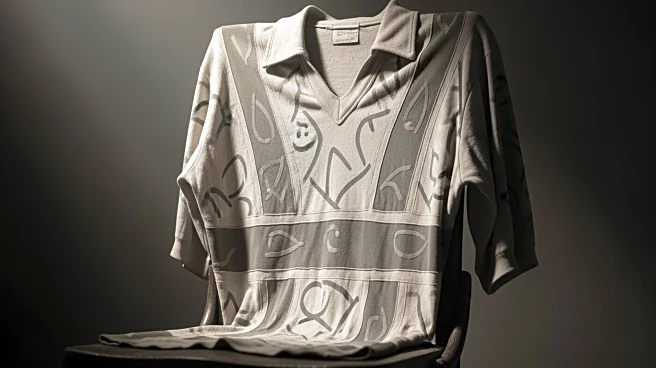
The International Olympic Committee (IOC) is defending its decision to sell a limited-edition T-shirt commemorating the 1936 Olympic Games held in Berlin under Nazi Germany. The $42 shirt, which has sold out, features a design based on an official poster
from the Games. The sale has been condemned by Jewish organizations, who argue that the 1936 Olympics were used as a propaganda tool by Adolf Hitler's regime. The IOC acknowledges the historical issues but emphasizes the athletic achievements of the Games, including those of Jesse Owens, as part of their historical apparel collection.
Why It's Important?
The controversy surrounding the T-shirt highlights ongoing sensitivities related to the commemoration of events associated with Nazi Germany. The 1936 Olympics are historically significant as they were used by the Nazi regime to promote their ideology while concealing their oppressive actions. The backlash from Jewish groups underscores the importance of sensitivity in how historical events are remembered and commercialized. The incident also reflects broader concerns about the resurgence of antisemitism and the role of sports in addressing historical injustices.
Beyond the Headlines
The sale of the T-shirt raises questions about the ethical responsibilities of organizations like the IOC in curating historical memorabilia. It also prompts a discussion on how history is represented and the potential impact of commercializing controversial events. The incident serves as a reminder of the power of sports to both unite and divide, and the need for careful consideration in how historical narratives are presented to the public.