






What's Happening?
The UK government is preparing for potential food shortages due to a disruption in carbon dioxide (CO2) supplies, a consequence of the ongoing conflict in Iran. CO2 is crucial for the food industry, used in packaging, brewing, and animal slaughter. The conflict has
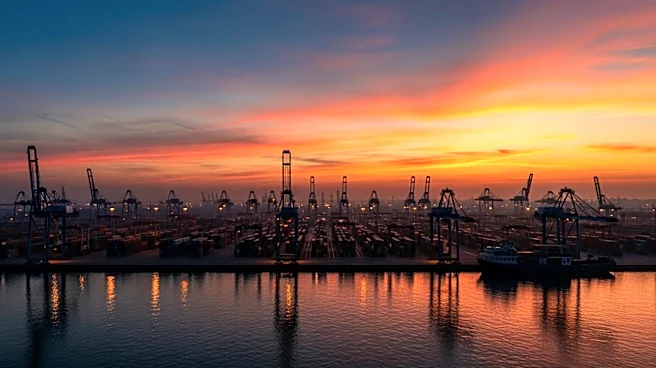
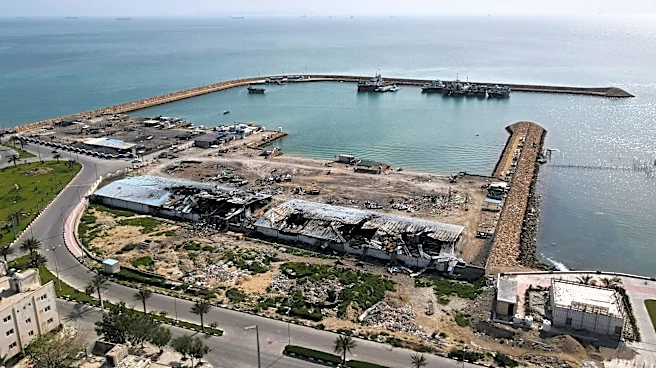
halted trade through the Strait of Hormuz, a key route for CO2 supplies. The UK has initiated 'Exercise Turnstone,' a scenario planning operation to mitigate potential shortages. The Ensus bioethanol plant in England has been restarted to bolster CO2 production. Tesco, the UK's largest grocer, is actively involved in scenario planning with government departments to ensure food supply continuity.
Why It's Important?
CO2 shortages could lead to reduced product variety in UK supermarkets, affecting consumer choice and potentially increasing prices. The situation highlights the interconnectedness of global supply chains and the impact of geopolitical conflicts on domestic markets. The UK's proactive measures aim to prevent significant disruptions, but the situation remains precarious. The reliance on CO2 for both the food and healthcare sectors underscores the critical nature of this supply chain component. The conflict's duration and its impact on global trade routes will be pivotal in determining the extent of the disruption.
What's Next?
The UK government and industry stakeholders will continue to monitor the situation closely, with contingency plans in place to address potential shortages. The reopening of the Strait of Hormuz is uncertain, and prolonged closure could exacerbate supply issues. The UK may need to explore alternative CO2 sources or further increase domestic production capabilities. The situation could prompt broader discussions on supply chain resilience and the need for diversification to mitigate risks from geopolitical tensions.