
What's Happening?
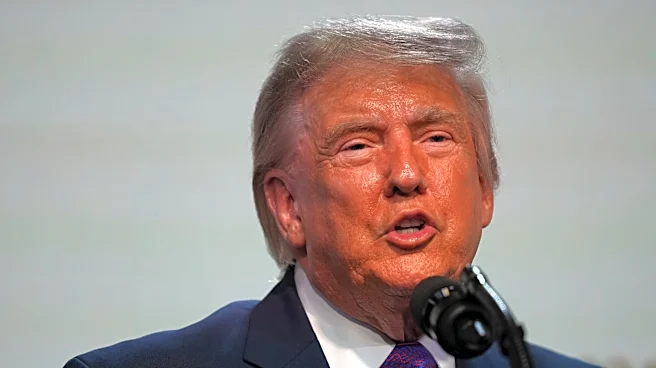
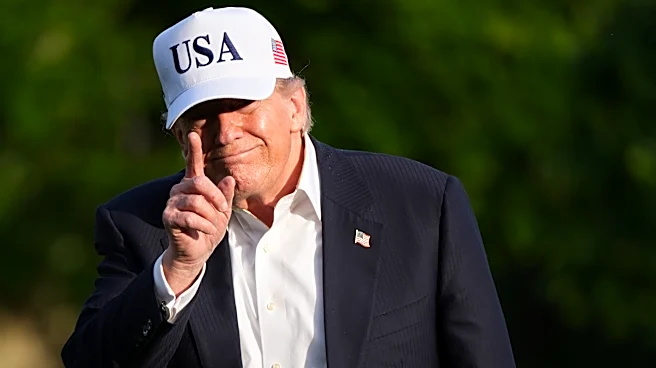
Republicans in Congress are working to pass a $72 billion funding package for Immigration and Customs Enforcement (ICE) and Customs and Border Patrol (CBP) to cover the remainder of President Trump's term.
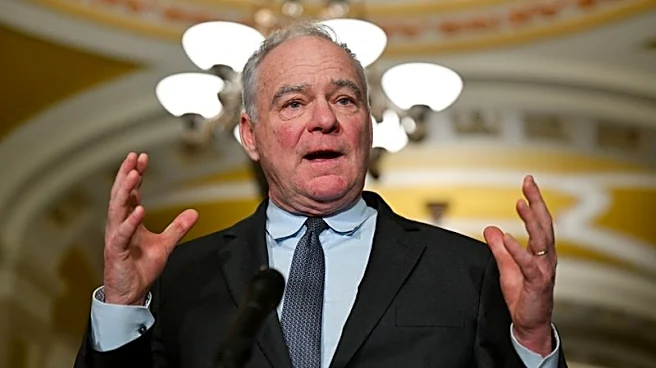
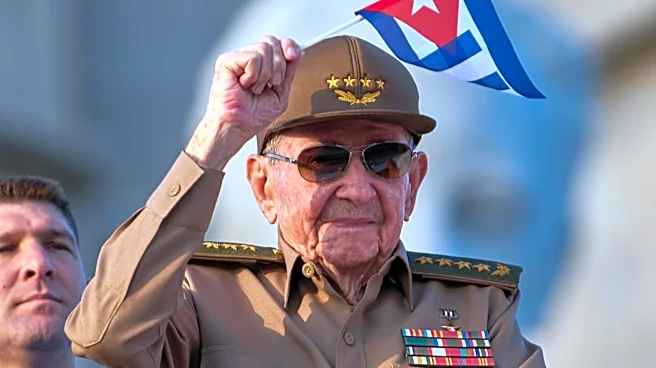
This effort is being expedited through budget reconciliation, a process that allows bypassing Democratic opposition. The Democrats are against increasing funding without implementing reforms to limit the agencies' enforcement tactics. President Trump has expressed dissatisfaction with the package as it does not include funding for a White House ballroom, a point of contention among some Republicans. Louisiana Senator Bill Cassidy, who recently lost his primary, has opposed the ballroom funding and played a key role in advancing the Iran war powers resolution. Meanwhile, the U.S. Department of Justice has indicted former Cuban President Raúl Castro for his alleged involvement in the 1996 downing of two U.S. planes, which resulted in the deaths of four members of the anti-Castro group Brothers to the Rescue.
Why It's Important?
The push for increased funding for ICE and CBP highlights ongoing political divisions over immigration policy in the U.S. The use of budget reconciliation to pass the funding package underscores the contentious nature of immigration enforcement and the challenges in reaching bipartisan agreements. The indictment of Raúl Castro adds another layer of complexity to U.S.-Cuba relations, potentially impacting diplomatic efforts and regional stability. The political maneuvering around these issues reflects broader tensions within the Republican Party, as some members navigate their positions in relation to President Trump's agenda. The outcome of these legislative efforts could have significant implications for immigration policy, U.S.-Cuba relations, and the internal dynamics of the Republican Party.
What's Next?
The next steps involve continued negotiations within Congress to finalize the funding package, with potential amendments and debates likely to arise. The outcome of these discussions will influence the operational capabilities of ICE and CBP and could set precedents for future immigration policy. The indictment of Raúl Castro may lead to further legal and diplomatic actions, affecting U.S.-Cuba relations. Political leaders and stakeholders will be closely monitoring these developments, as they could impact upcoming elections and the broader political landscape. The response from the Cuban government and international community will also be critical in shaping the future of U.S.-Cuba interactions.