

What's Happening?
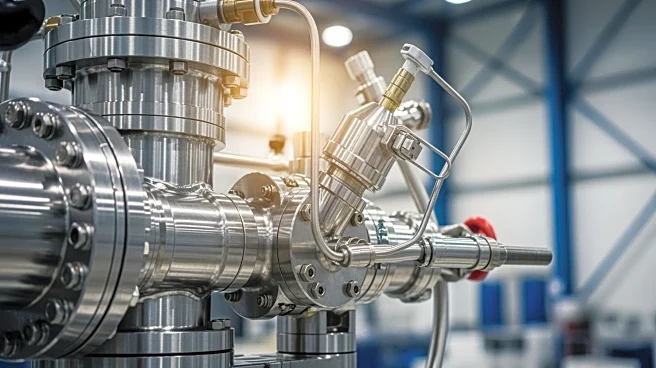
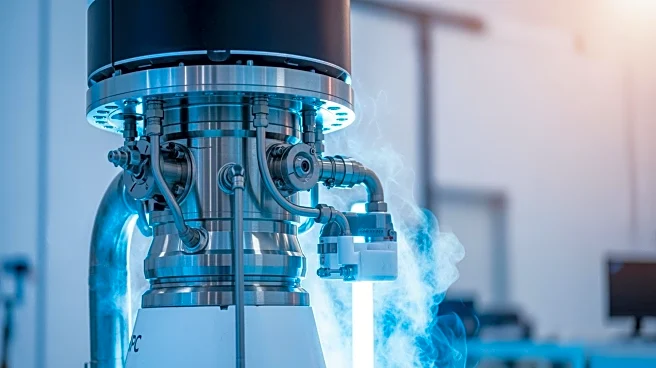
NASA engineers have successfully repaired a helium flow blockage in the upper stage of the Space Launch System (SLS), a critical component for the upcoming Artemis 2 mission. The blockage was traced to a dislodged seal in a quick-disconnect line, which
has since been reassembled and tested to confirm proper helium flow. This repair is crucial for maintaining the planned launch schedule, with the Artemis 2 mission set to potentially launch in early April. Additional maintenance, including battery replacements and seal checks, was also conducted to ensure the readiness of the SLS for its mission.
Why It's Important?
The successful repair of the helium flow issue is vital for the Artemis 2 mission, which aims to further NASA's exploration goals by sending astronauts around the Moon. Any delays in the SLS readiness could impact the timeline of NASA's broader Artemis program, which seeks to establish a sustainable human presence on the Moon. The resolution of this technical challenge demonstrates NASA's capability to address complex engineering problems, ensuring the reliability and safety of its space missions. This development is a positive step towards achieving the ambitious objectives of the Artemis program.
What's Next?
With the helium flow issue resolved, NASA plans to roll the SLS and Orion spacecraft back to the launch pad later this month. The agency is preparing for a series of launch windows in early April, with further opportunities available at the end of the month. As the launch date approaches, NASA will continue to conduct end-to-end testing and final preparations to ensure mission success. The Artemis 2 mission is a critical precursor to future lunar landings, and its success will pave the way for subsequent missions aimed at establishing a long-term human presence on the Moon.