





What's Happening?
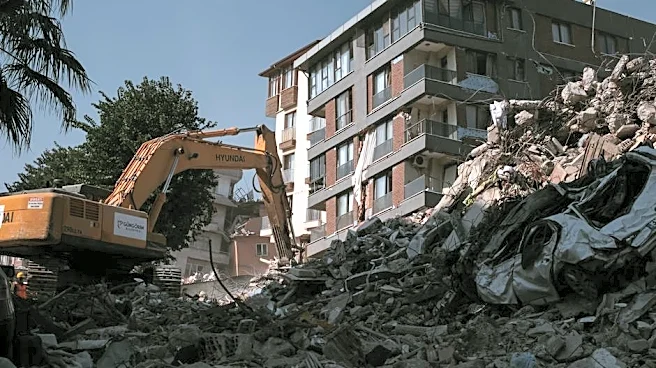
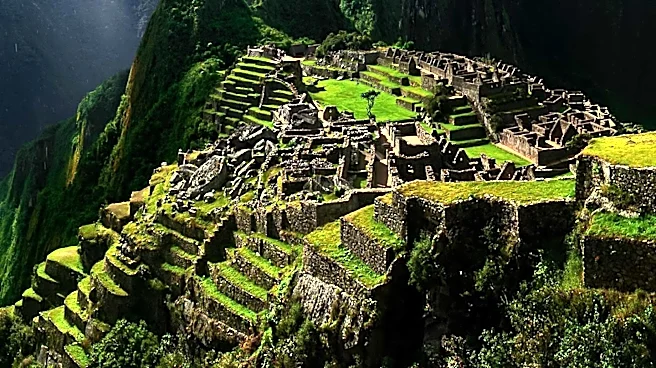
A deadly earthquake in Peru has raised concerns about seismic activity across Latin America. The magnitude 5.5 earthquake struck near Sicaya in the central Andes, killing at least five people and injuring over 20. The quake occurred shortly after a magnitude 7.3
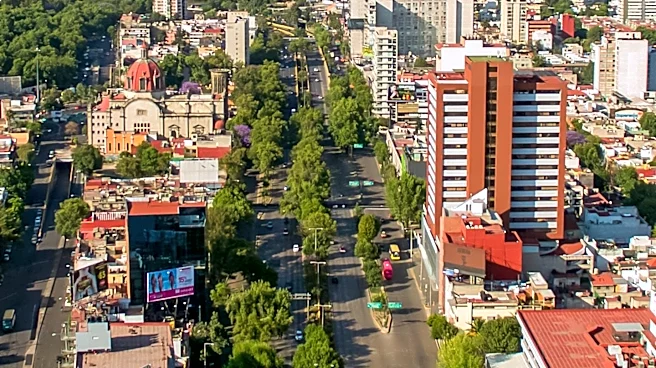
earthquake off Mexico's Pacific coast, which triggered tsunami warnings and numerous aftershocks. Both Peru and Mexico are located along the Pacific 'Ring of Fire,' a zone of intense tectonic activity. The incidents underscore the persistent geological hazards faced by communities in these regions.
Why It's Important?
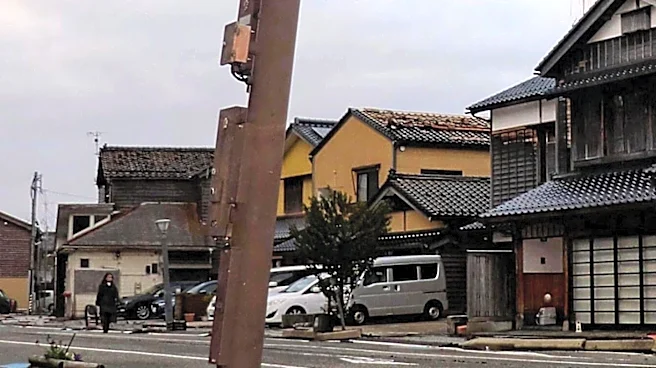
The earthquakes in Peru and Mexico highlight the ongoing risk of seismic events in Latin America, where tectonic plate boundaries create conditions for frequent and potentially devastating earthquakes. The impact on infrastructure and communities can be severe, with long-term implications for economic stability and public safety. The events also emphasize the need for robust disaster preparedness and response strategies to mitigate the effects of such natural disasters.
What's Next?
In Peru, rescue operations are focused on reaching isolated communities and assessing the damage. Authorities will likely prioritize rebuilding efforts and improving infrastructure resilience. In Mexico, monitoring of aftershocks continues, with efforts to ensure public safety and prevent further damage. Both countries may seek to enhance their seismic monitoring and emergency response capabilities to better handle future events.