






What's Happening?
Islamic Relief Worldwide has announced an increase in its orphan sponsorship program pricing to $90 per month across all countries. This adjustment, the first in 20 years, is a direct response to global inflation and the significant rise in the cost of
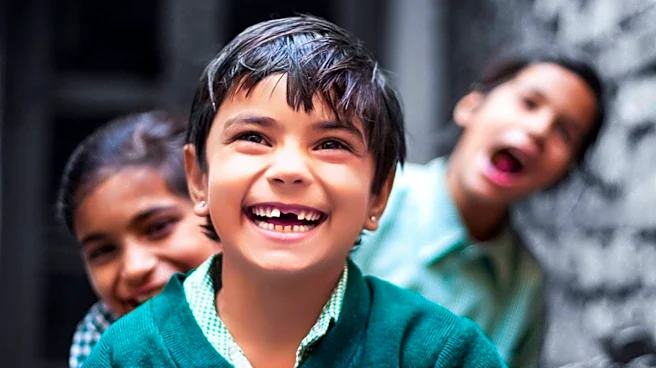
living, which has made it increasingly difficult for orphan families to afford basic necessities. The organization aims to ensure that sponsored orphans continue to receive adequate support for food, education, and other essential expenses. The program, established in 1986, supports over 80,000 orphans in nearly 26 countries, including Afghanistan, Bangladesh, Ethiopia, Iraq, Jordan, Kenya, Lebanon, Palestine (Gaza), Somalia, South Africa, Sudan, Syria, and Yemen. Donors are paired one-to-one with an orphan, and the support extends to the entire household, covering needs such as food, rent, and utilities. Case workers conduct regular home visits and group gatherings to monitor the orphans' well-being and ensure they receive full sponsorship benefits. The organization also provides additional support through Ramadan food parcels, Qurbani packages, and micro-finance programs.
Why It's Important?
This price increase by a major international humanitarian organization highlights the severe impact of global economic conditions on vulnerable populations, particularly orphans and their families. The decision underscores the persistent challenge of maintaining essential aid services in an environment of rising costs. For donors, it signifies a greater financial commitment, but also an assurance that their contributions will continue to meet the evolving needs of sponsored children. The program's comprehensive approach, which supports the entire household, is crucial for the stability and care of orphans, as their vulnerability is closely linked to their family's well-being. The long-standing nature of Islamic Relief's orphan sponsorship program, supporting tens of thousands globally, demonstrates its critical role in providing sustained assistance and fostering long-term self-reliance in communities affected by poverty, conflict, and natural disasters. The organization's commitment to non-discrimination based on religion, gender, race, or ethnicity in its aid efforts also reinforces its broad humanitarian mission.
What's Next?
Donors will be notified about the price change and any future adjustments to the sponsorship cost. The organization encourages a minimum sponsorship period of one year, with the option to continue until the orphan graduates from the program or up to age 24 if they are in higher education or have medical needs. Sponsorships may be terminated if an orphan exceeds the age limit, marries, experiences a significant income increase, moves out of an Islamic Relief working region, or if the family/orphan does not cooperate. In such cases, donations are redirected to a new orphan, and donors are updated. The organization will continue to provide annual progress reports to donors and facilitate correspondence between sponsors and orphans. Supervised virtual or in-person meetings can also be arranged. The increased funding is expected to enable Islamic Relief to better account for the unmet needs of orphan families, ensuring access to quality food, continued education, and coverage of essential expenses in the face of ongoing economic challenges.
Beyond the Headlines
The decision by Islamic Relief Worldwide to raise its orphan sponsorship fees reflects a broader trend of increasing operational costs for humanitarian organizations globally. This situation necessitates a re-evaluation of funding models and donor expectations in the face of persistent economic instability and inflation. The emphasis on supporting the entire household, rather than just the individual orphan, highlights a holistic approach to poverty alleviation and child welfare, recognizing the interconnectedness of family well-being. This model aims to create a more stable environment for children, addressing underlying issues that contribute to their vulnerability. The organization's commitment to transparency regarding the allocation of funds, with 80% directly reaching the orphan and the remainder covering operational expenses, is crucial for maintaining donor trust and accountability in the humanitarian sector. The long-term impact of such programs extends beyond immediate relief, contributing to educational attainment, health outcomes, and overall community resilience in some of the world's most challenging regions.