

What's Happening?
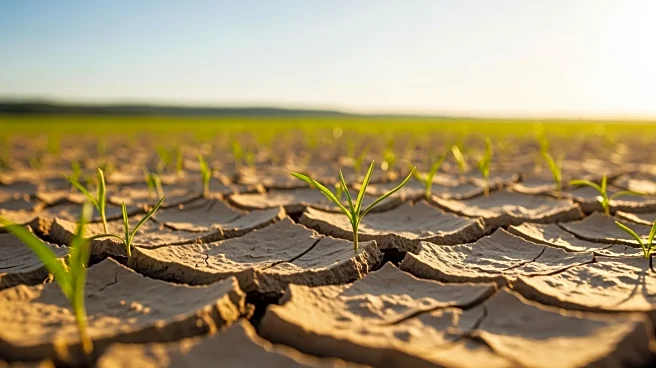
Farmers in Boulder County, Colorado, are preparing for a challenging growing season following the warmest winter on record and the second-driest in the state's history. The dry conditions are expected to result in reduced crop yields, impacting the availability
of local produce in markets. Farmers are facing increased workloads as they attempt to mitigate the effects of the dry weather on their crops. The situation highlights the ongoing challenges posed by climate variability and its impact on agriculture in the region.
Why It's Important?
The dry weather in Boulder County is a microcosm of broader climate-related challenges facing agriculture across the United States. Reduced crop yields can have significant economic implications for farmers, affecting their livelihoods and the local economy. The situation underscores the need for adaptive strategies in agriculture to cope with changing climate patterns. It also raises concerns about food security and the sustainability of agricultural practices in the face of environmental stressors. Policymakers and agricultural stakeholders may need to consider measures to support farmers and enhance resilience to climate impacts.
What's Next?
As farmers in Boulder County navigate the dry conditions, they may explore various strategies to conserve water and improve crop resilience. This could include adopting drought-resistant crop varieties, implementing efficient irrigation systems, and utilizing soil moisture monitoring technologies. The situation may also prompt discussions among policymakers and agricultural organizations about long-term solutions to address climate-related challenges in agriculture. Collaborative efforts to develop and promote sustainable farming practices will be crucial in ensuring the viability of agriculture in the region.