









What's Happening?
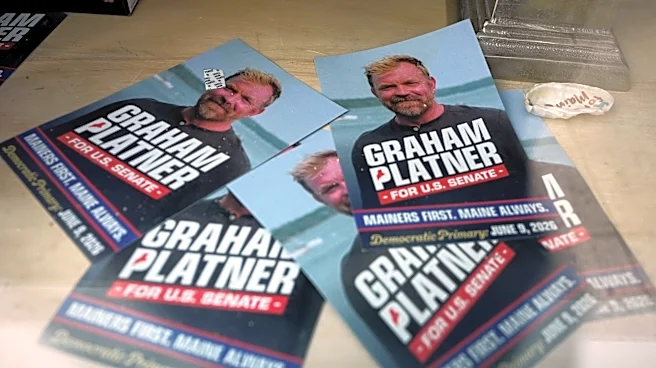
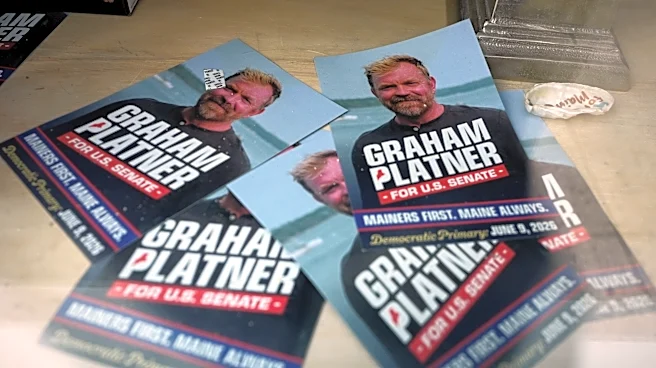
A top adviser to New York City Mayor Zohran Mamdani, Morris Katz, has been actively promoting Maine Democrat Graham Platner for the 2026 Senate race, with aspirations for a future presidential run. Katz views Platner as a potential successor to Bernie
Sanders, capable of energizing the progressive base of the Democratic Party. This move is seen as an attempt to sideline Rep. Alexandria Ocasio-Cortez (AOC) from a potential presidential bid, as Katz reportedly believes Platner has a better chance of winning. However, Platner's campaign has been marred by controversies, including rape allegations and past offensive remarks, leading to a withdrawal of support from Democratic leaders. Despite these issues, Katz and his team initially continued to support Platner, viewing him as a viable presidential candidate.
Why It's Important?
The promotion of Graham Platner over AOC highlights internal divisions within the Democratic Party regarding future leadership and the direction of the progressive movement. Katz's strategy reflects a belief that a male candidate might have a better chance of winning the presidency, which could influence future candidate selections and campaign strategies. The controversies surrounding Platner also underscore the challenges of vetting candidates and managing public perception in the digital age. This situation could impact the Democratic Party's ability to unify and present a strong candidate in future elections, potentially affecting their chances of winning the presidency.
What's Next?
Following the withdrawal of support from Democratic leaders, Platner has suspended his Senate campaign. The Democratic Party will need to identify and support a new candidate to challenge incumbent Republican Sen. Susan Collins in Maine. Meanwhile, the party must address the internal divisions and strategize on how to effectively support progressive candidates who can appeal to a broad voter base. The outcome of these efforts will likely influence the party's strategy for the 2032 presidential election and beyond.
Beyond the Headlines
The situation raises questions about gender dynamics within political campaigns and the perceived electability of female candidates. Katz's preference for Platner over AOC suggests underlying biases that could affect the party's approach to candidate selection. Additionally, the handling of Platner's controversies highlights the importance of transparency and accountability in political campaigns. The Democratic Party may need to reassess its vetting processes and communication strategies to maintain public trust and support.