





What's Happening?
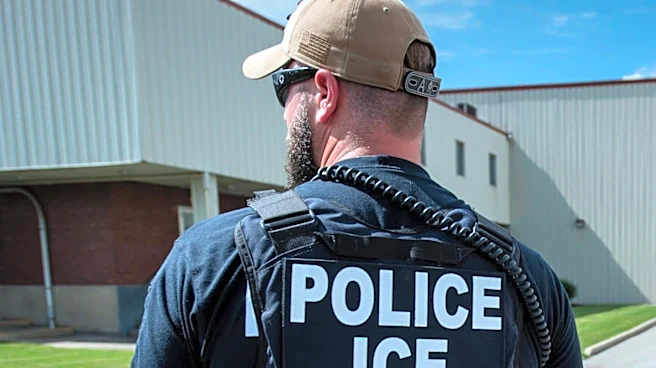
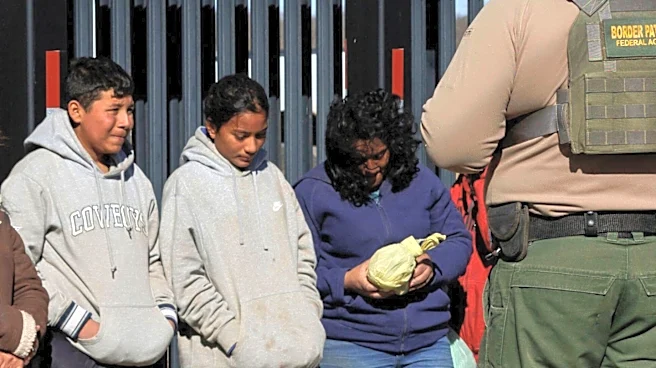
U.S. immigration agencies have significantly expanded their use of DNA testing, moving beyond verifying family relationships to collecting and indexing genetic information from immigrant communities, including an estimated 2,000 U.S. citizens. This genetic data
is now being deposited into the FBI’s Combined DNA Index System (CODIS) database, which was originally established for solving violent crimes. As of December 2025, the number of samples indexed in CODIS from this expanded collection exceeded 3.3 million. This development was highlighted in an ELSI Friday Forum, which discussed the current state of DNA testing within immigrant communities in the U.S. and the ethical, legal, and social implications of the government’s increased genetic surveillance capabilities for both immigrants and citizens. The forum featured discussions led by Christi Guerrini, JD, MPH, and presenters Stevie Glaberson, JD, LLM, and Medha Makhlouf, JD.
Why It's Important?
The expansion of genetic surveillance by U.S. immigration agencies into the CODIS database raises significant concerns regarding privacy, civil liberties, and the potential for mission creep in law enforcement databases. The CODIS system was designed for criminal investigations, and its use for immigration purposes blurs the lines between immigration enforcement and criminal justice, potentially stigmatizing immigrant communities. The inclusion of DNA from U.S. citizens in this database, even if inadvertently, further complicates the ethical landscape, as it could lead to broader surveillance of the general population. This practice could erode public trust in government agencies and set a precedent for the expanded use of genetic data beyond its original intended purpose, impacting how genetic information is collected, stored, and utilized across various governmental sectors. The implications extend to the legal framework governing genetic privacy and the rights of individuals, regardless of their immigration status.
What's Next?
The ethical, legal, and social implications of this expanded genetic surveillance are likely to be a continuing subject of debate and scrutiny. Legal challenges and advocacy efforts from civil liberties groups and privacy advocates are probable, aiming to clarify the scope of DNA collection and its use by immigration agencies. Policymakers may face pressure to establish clearer guidelines and regulations regarding the collection and storage of genetic data, particularly when it involves non-criminal contexts and U.S. citizens. There could also be increased public discourse on the balance between national security, immigration enforcement, and individual privacy rights. The ongoing discussions, such as those in ELSI Friday Forums, suggest a continued focus on understanding and addressing the societal impacts of these evolving genetic technologies and their application by government entities.
Beyond the Headlines
The deeper implications of this genetic surveillance expansion touch upon fundamental questions about the nature of privacy in the digital age and the potential for genetic information to be used for purposes beyond an individual's initial consent. The integration of immigration-related DNA into a criminal database like CODIS could lead to unforeseen consequences, such as the potential for familial searching, where the DNA of one individual could implicate relatives who have never been suspected of a crime. This raises concerns about genetic discrimination and the erosion of the presumption of innocence. Furthermore, the practice could disproportionately affect marginalized communities, fostering distrust and potentially deterring individuals from seeking necessary services due to fear of genetic data collection. This development underscores the urgent need for robust ethical frameworks and legal protections to govern the use of advanced genetic technologies by state actors.