






What's Happening?
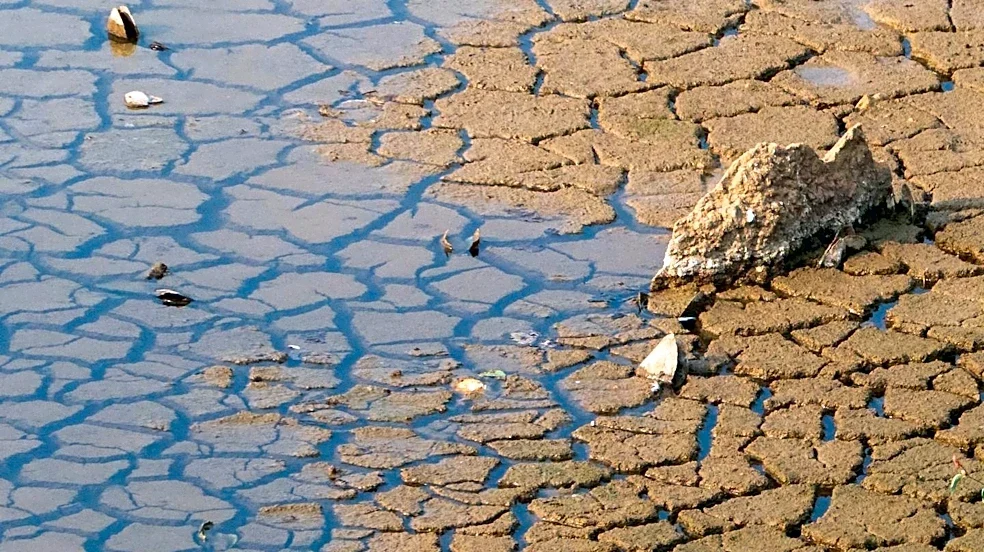
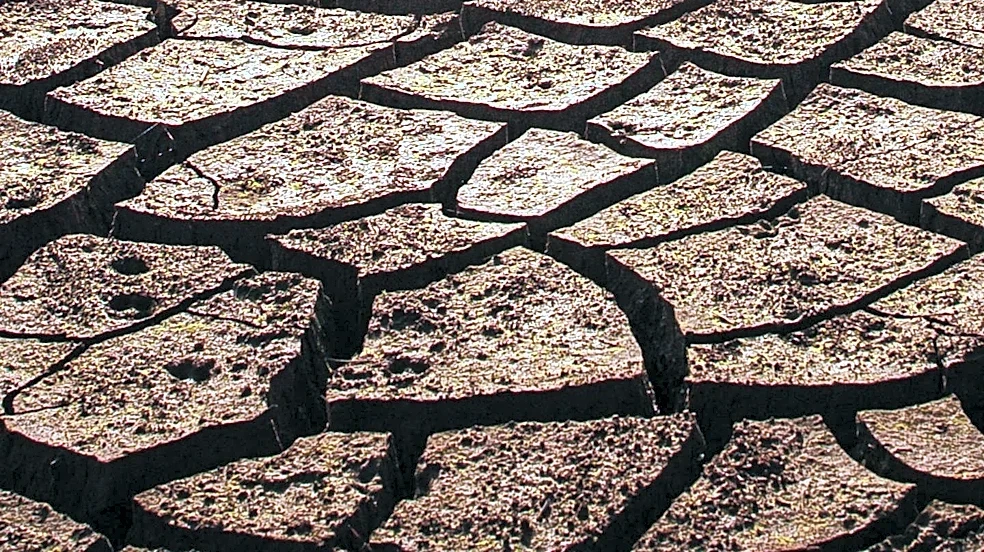
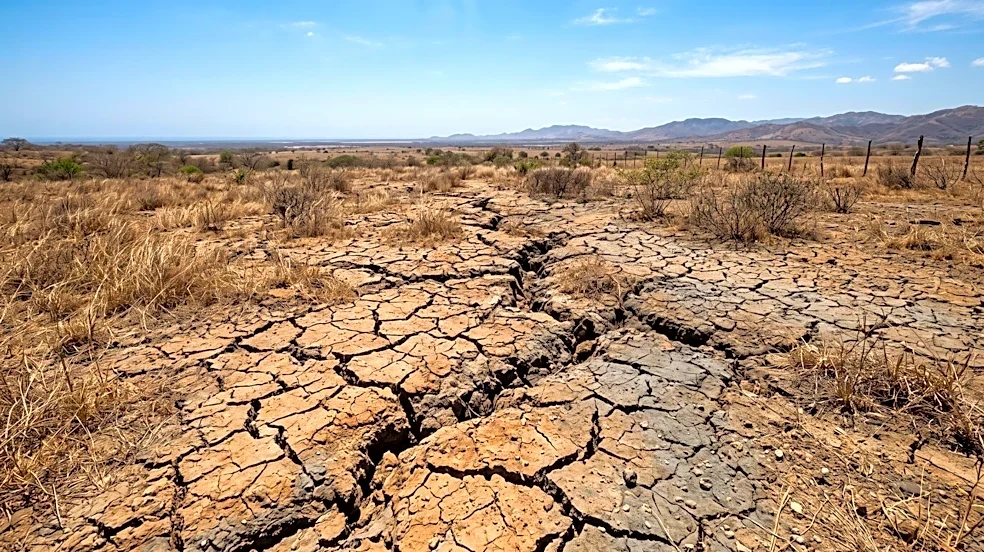
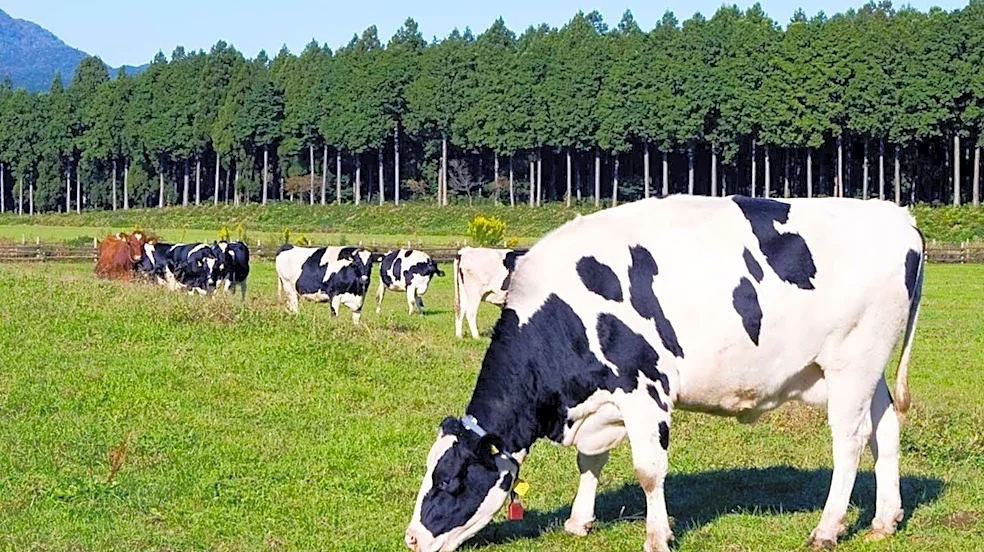
Ranchers in Panama, particularly on the Azuero Peninsula, are experiencing severe water shortages exacerbated by an El Niño-charged drought. Ismael “Jim” Solis, a rancher who has historically managed through dry spells, is now concerned his stream may
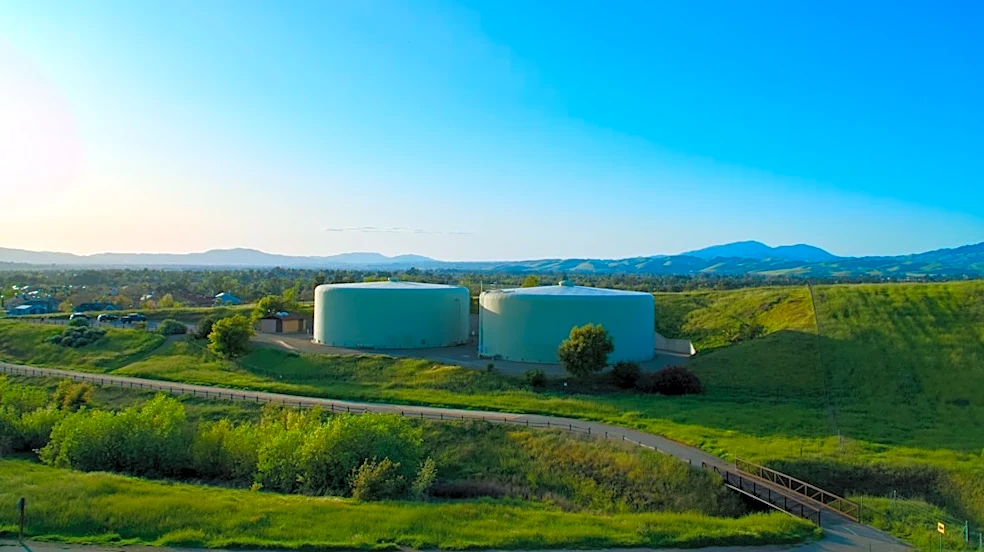
run dry. Cecibet Peralta, another rancher, expanded her artificial reservoir, but even that has proven insufficient, forcing her to move cattle to a neighboring farm with more stable water resources. The Institute of Meteorology and Hydrology of Panama declared an El Niño alert in May, forecasting drier conditions and a 10-20% reduction in rainfall during the typically wet season. This extreme drought is stretching water resources thin across the region, impacting both conventional and silvopastoral ranchers.
Why It's Important?
This situation highlights the direct and immediate impact of climate change and extreme weather events on agricultural livelihoods and regional economies. The reliance on traditional ranching methods, which often involve clearing land, is proving unsustainable in the face of prolonged droughts. The economic stability of ranchers like Solis and Peralta is directly threatened, leading to increased operational costs and the potential loss of livestock. The forced relocation of cattle and the need for repeated reservoir expansions represent significant financial burdens. The growing interest in silvopasture, a method incorporating trees into pastures, signifies a critical shift towards more resilient and sustainable agricultural practices. This transition is vital for maintaining water supply, improving soil health, and ensuring the long-term viability of ranching in climate-vulnerable regions.
What's Next?
Ranchers like Cecibet Peralta are planning further expansions of their water infrastructure to cope with the changing climate. The severe drought is compelling many to consider adopting silvopasture systems, which have shown promise in preserving water levels and quality. Ranchers who have already transitioned to silvopasture, such as Edwin Carrasco and Manuel Cedeño, report greater water abundance and better forage for animals, even amidst the drought. Organizations like Yale’s Environmental Training and Leadership Initiative are working with ranchers to facilitate this change, providing technical assistance. However, the transition to silvopasture requires significant upfront financial and technical investments. The ongoing drought is expected to intensify the push for more sustainable farming methods, potentially leading to broader adoption of silvopasture across the Azuero Peninsula as ranchers seek to secure their future against increasingly frequent and severe dry seasons.
Beyond the Headlines
The challenges faced by Panamanian ranchers underscore a broader global issue of water scarcity and its intersection with climate change and land use. The traditional mindset of clearing land for pasture, prevalent since the 1940s, is being challenged by ecological realities. The shift towards silvopasture represents not just an agricultural adaptation but a cultural and environmental transformation. While silvopasture offers significant benefits in water conservation and biodiversity, it does not entirely eliminate environmental impacts, such as methane emissions from cattle. This raises deeper questions about the overall sustainability of cattle ranching and the need for comprehensive solutions that address both water management and greenhouse gas emissions. The experiences in Panama could serve as a case study for other regions facing similar climate-induced agricultural crises, highlighting the importance of integrating ecological principles into economic activities for long-term resilience.