



What's Happening?
Paul Levesque, Board Chair of the Tillamook Bay Watershed Council, is scheduled to deliver a presentation titled “Human Modifications to the Tillamook Bay Watershed: A Brief History of Alteration Since European Settlement.” The event will take place on November
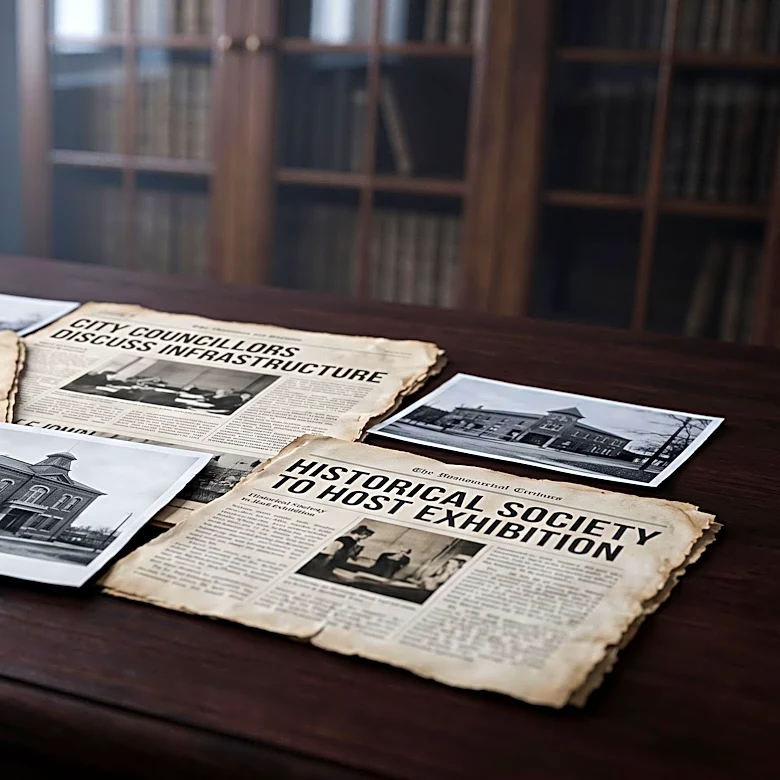
17 at the Tillamook County Pioneer Museum, located at 2106 2nd Street, Tillamook. Doors will open at 5:00 PM, with the speaker session running from 5:30 PM to 7:00 PM. Refreshments will be available, and donations are welcomed. This presentation aims to provide historical context on how human activities have impacted the Tillamook Bay Watershed since European settlement, offering insights into the environmental changes over time.
Why It's Important?
This presentation is important for several reasons, primarily concerning environmental awareness and local community engagement in the Tillamook Bay area. Understanding the historical human alterations to the watershed can inform current and future conservation efforts, helping local residents and policymakers make more educated decisions regarding land use, resource management, and ecological restoration. For the Tillamook Bay Watershed Council, this event serves as a crucial platform to educate the public about the delicate balance of their local ecosystem and the long-term consequences of human intervention. It fosters a sense of responsibility among community members and stakeholders, encouraging participation in initiatives aimed at preserving the natural integrity of the bay and its surrounding areas. The historical perspective can highlight successful conservation strategies as well as past mistakes, providing valuable lessons for sustainable development.
What's Next?
Following the presentation, it is anticipated that there will be a period for questions and discussions, allowing attendees to engage directly with Paul Levesque and the Tillamook Bay Watershed Council. This interaction could lead to increased community involvement in the council's activities and potentially inspire new local initiatives focused on environmental protection and restoration. The event may also serve as a catalyst for further research or educational programs on the Tillamook Bay Watershed. For those interested in more information or getting involved, Anna, the coordinator, can be contacted at coordinator@tillamookbaywc.org. The council may use the insights and community feedback from this event to shape future projects and advocacy efforts, reinforcing their commitment to the ecological health of the region.
Beyond the Headlines
The discussion on human alterations to the Tillamook Bay Watershed extends beyond immediate environmental concerns to touch upon broader themes of historical land use, indigenous land rights, and the evolving relationship between human societies and natural environments. The presentation's focus on 'European Settlement' implicitly acknowledges the profound and often disruptive impact of colonial expansion on pre-existing ecological systems and indigenous practices. This historical lens can provoke deeper reflection on environmental justice and the long-term societal responsibilities towards ecological stewardship. It highlights the ethical imperative to understand and mitigate the cumulative effects of human activities, fostering a more holistic and equitable approach to environmental management that considers both historical legacies and future sustainability. The event could also inspire a re-evaluation of current economic activities in the region, such as agriculture and tourism, to ensure they align with ecological preservation goals.