



What's Happening?
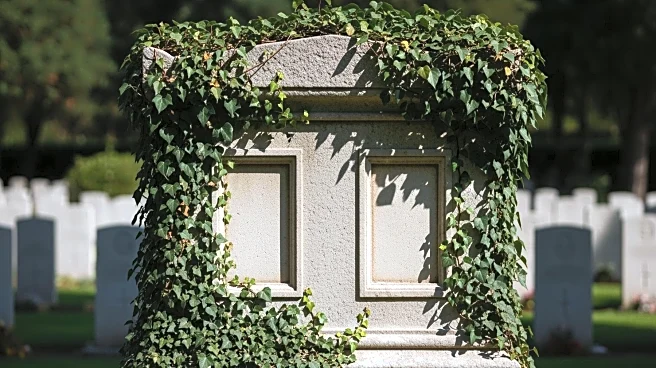
The American Battle Monuments Commission has removed two memorial panels from a cemetery in Margraten, Netherlands, which honored Black American soldiers who served during World War II. This action has caused significant controversy and anger among various
groups, including local residents, families of the soldiers, and government officials in the Netherlands. The panels, which were installed in 2024, highlighted the contributions and sacrifices of Black soldiers, including George H. Pruitt, who died saving a fellow soldier. The removal followed executive orders signed by President Trump that eliminated diversity, equity, and inclusion initiatives across government agencies. The decision to remove the panels was made without public explanation, leading to confusion and frustration among those who valued the memorials as an important part of American history.
Why It's Important?
The removal of these panels is significant as it reflects broader tensions around how history is remembered and who is included in that narrative. The panels served as a recognition of the contributions of Black soldiers, who, despite facing segregation and discrimination, played crucial roles in the war effort. Their removal has been perceived as an erasure of these contributions, sparking debates about historical representation and the ongoing struggle for racial equality. The controversy also highlights the impact of political decisions on cultural and historical commemorations, as well as the international implications of U.S. domestic policies. The decision has drawn criticism from both American and Dutch communities, emphasizing the importance of inclusive historical narratives.
What's Next?
Local officials and residents in Margraten have demanded the return of the panels, and there are efforts to find alternative ways to honor the Black soldiers if the panels are not reinstated. The Black Liberators foundation, which advocated for the panels, is considering other locations for memorials. The situation may prompt further discussions and actions regarding how the U.S. commemorates its diverse history, particularly in international contexts. The controversy could also lead to increased advocacy for the recognition of marginalized groups in historical narratives, both in the U.S. and abroad.
Beyond the Headlines
The removal of the panels is part of a larger pattern of historical narratives that often exclude or minimize the contributions of people of color. This incident underscores the ongoing challenges in achieving a comprehensive and inclusive representation of history. It raises questions about the role of government agencies in shaping historical memory and the ethical implications of altering or removing historical markers. The situation also highlights the cultural and emotional significance of memorials for communities and individuals connected to the history they represent.