





What's Happening?
Scientists are forecasting a significant El Niño event this year, which typically influences global weather patterns. However, experts caution that this does not guarantee increased rainfall for California. El Niño is characterized by warmer ocean temperatures
in the Pacific, which can lead to wetter conditions in some regions and drier conditions in others. Historically, El Niño has been associated with increased precipitation in California, but the relationship is not always consistent. The uncertainty surrounding California's winter weather highlights the complexity of predicting regional climate impacts.
Why It's Important?
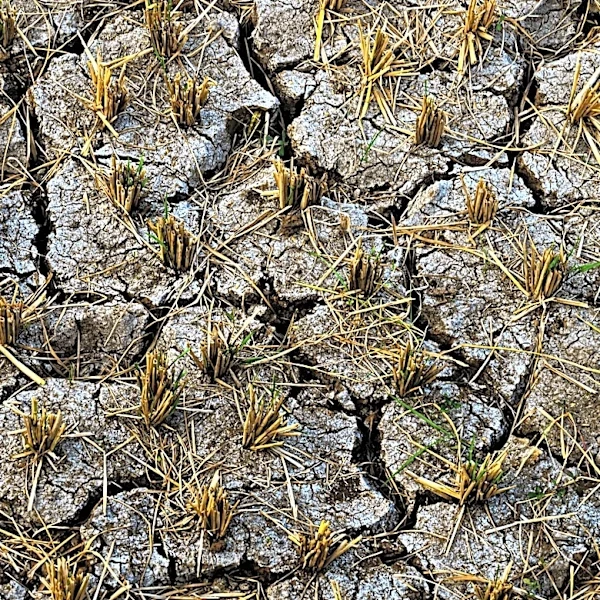
The potential for a powerful El Niño raises concerns for various sectors in California, including agriculture, water management, and disaster preparedness. Increased rainfall could alleviate drought conditions, benefiting farmers and water reservoirs. However, it could also lead to flooding and landslides, posing risks to infrastructure and communities. The uncertainty of the forecast underscores the need for adaptive strategies in managing water resources and preparing for extreme weather events. Stakeholders across the state must remain vigilant and flexible in their planning to mitigate potential adverse effects.
What's Next?
As the El Niño event develops, meteorologists and climate scientists will continue to monitor oceanic and atmospheric conditions to refine their forecasts. State and local agencies in California are likely to prepare for a range of scenarios, from drought relief to flood management. Public awareness campaigns may be initiated to inform residents about potential weather impacts and safety measures. The evolving situation will require ongoing collaboration between scientists, policymakers, and community leaders to address the challenges posed by this climate phenomenon.