




What's Happening?
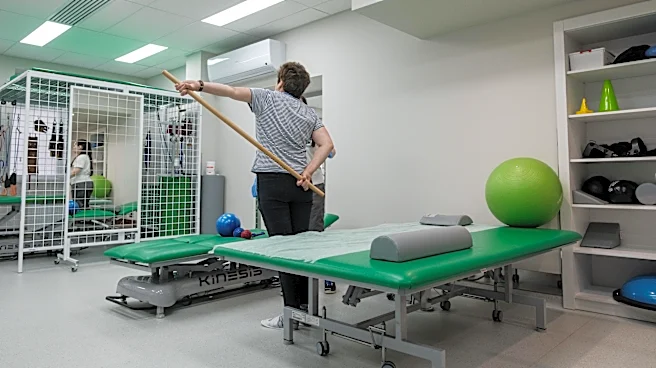
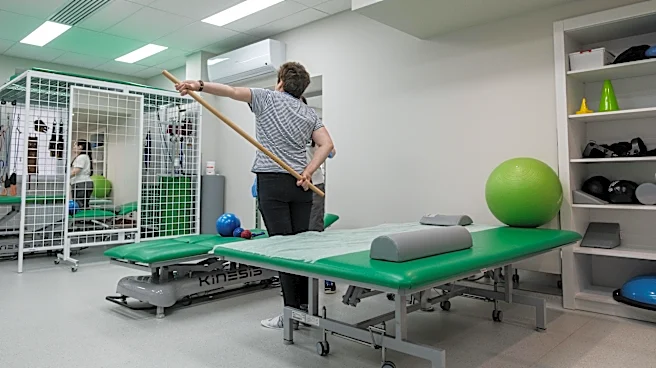
The Schroth method, a scoliosis-specific exercise program, is gaining attention for its potential benefits in managing spinal curvature. This method focuses on elongating the spine, de-rotating the trunk, and specific breathing exercises to address the three-dimensional
nature of scoliosis. While it consistently improves posture, trunk symmetry, breathing mechanics, and back-muscle endurance, its impact on the Cobb angle (the measurement of spinal curvature on an X-ray) is modest, primarily observed in growing adolescents. The method does not straighten a fixed structural curve and is not a substitute for bracing or surgery when a curve is progressing. For adults, the goals shift towards pain reduction, improved function, and potentially slowing the gradual progression of curves, rather than reversing them. The effectiveness of Schroth is most pronounced when practiced consistently and under the guidance of a certified therapist.
Why It's Important?
This information is crucial for U.S. patients, parents, and healthcare providers dealing with scoliosis. Understanding the realistic outcomes of the Schroth method can help manage expectations and ensure appropriate treatment plans. For growing adolescents, knowing that Schroth can offer modest improvements in Cobb angle and significant gains in posture and self-image can empower them to actively participate in their treatment. For adults, the focus on pain management and functional improvement highlights a non-surgical option to enhance quality of life. Healthcare professionals in the U.S. can use this detailed breakdown to better counsel patients on when Schroth is an appropriate adjunct therapy, when bracing or surgery might be necessary, and what to expect from each approach. This clarity can prevent misinformed decisions and ensure patients receive the most effective care.
What's Next?
Further research, particularly larger and longer-term randomized controlled trials, is needed to solidify the evidence base for the Schroth method's impact on Cobb angle, especially in adults and across diverse patient populations. Healthcare providers in the U.S. will likely continue to integrate Schroth into comprehensive scoliosis management plans, often in conjunction with bracing or as a preparatory or rehabilitative measure for surgery. Patient education initiatives will be vital to disseminate accurate information about the method's capabilities and limitations, countering misinformation often found online. The development of standardized protocols for Schroth implementation and therapist certification will also be important to ensure consistent and high-quality care across the U.S.
Beyond the Headlines
The discussion around the Schroth method also brings to light broader issues within healthcare, such as the challenge of evaluating and integrating non-pharmacological and non-surgical interventions. The emphasis on patient-reported outcomes like self-image and functional improvement, alongside objective measures like Cobb angle, reflects a growing trend towards holistic patient care. The prevalence of misleading 'before-and-after' photos online underscores the need for critical media literacy among patients and the responsibility of healthcare providers to present evidence-based information. Furthermore, the method's focus on active patient participation and self-management aligns with contemporary healthcare models that empower individuals to take a more active role in their health journey, potentially reducing long-term healthcare costs and improving patient satisfaction.