






What's Happening?
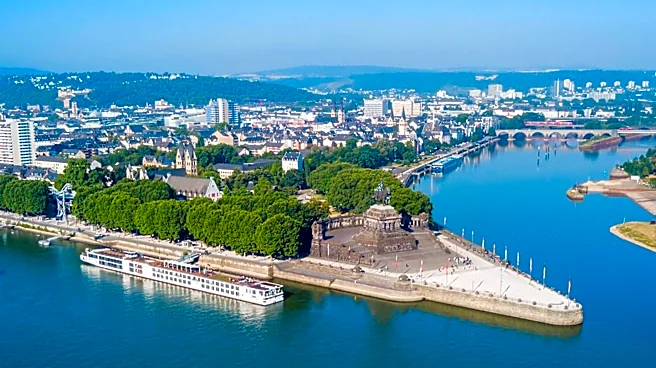
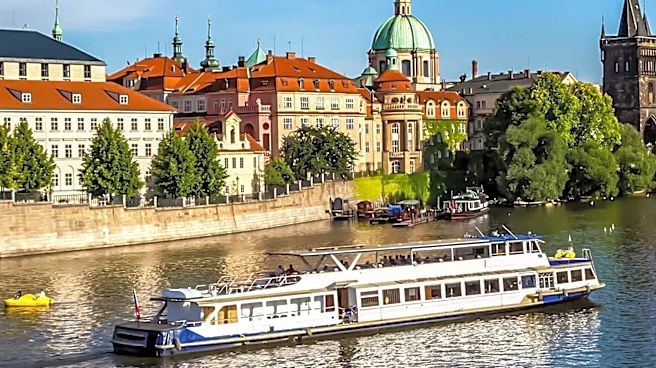
The European river cruise industry is facing significant challenges due to record high temperatures and drought conditions that have led to low water levels in major rivers such as the Danube and the Rhine. These conditions have made several sections
of these rivers impassable, affecting both commercial shipping and river cruising. The industry, which has been experiencing strong demand and growth, is now forced to adapt by rerouting cruises, changing embarkation and debarkation ports, and using buses to transport passengers between destinations. Companies like AmaWaterways and Avalon Waterways have had to implement contingency plans to manage the disruptions caused by the low water levels.
Why It's Important?
The low water levels pose a significant threat to the river cruise industry, which is a growing segment of the overall cruise market. The industry has been expanding rapidly, with more than 380 river cruise ships active in Europe and additional ships on order. The disruptions caused by the low water levels could impact the economic benefits that river cruising brings to local economies, particularly in regions heavily reliant on tourism. The need for rerouting and additional transportation increases operational costs for cruise companies, potentially affecting their profitability and future growth plans.
What's Next?
River cruise companies are likely to continue adapting their operations to mitigate the impact of low water levels. This may include developing new itineraries, altering ship designs to accommodate low-draft operations, and enhancing contingency plans to ensure minimal disruption to passengers. In the long term, the industry may need to explore more sustainable solutions to address the recurring issue of low water levels, which could involve collaboration with local governments and environmental organizations to manage river conditions more effectively.