



What's Happening?
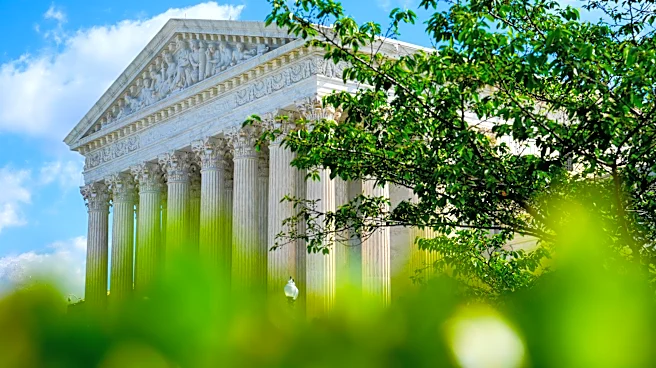
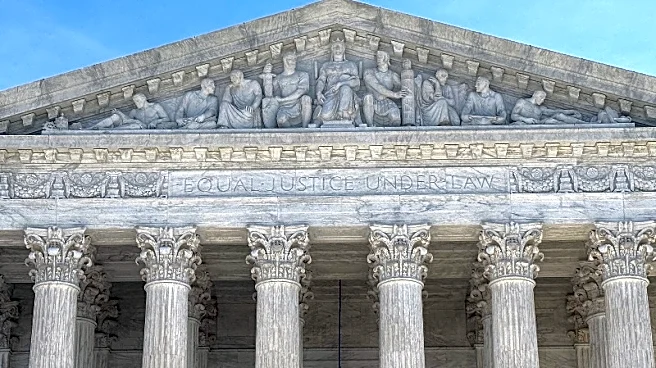
Retired Justice Stephen Breyer has publicly defended the U.S. Supreme Court against accusations of political bias, particularly concerning its use of the 'shadow docket.' Speaking at the Harvard Graduate School of Education, Breyer dismissed claims that
the court's decisions are politically motivated. His comments follow reports of internal memos related to a 2016 decision that blocked an Obama-era emissions regulation, which critics argue marked the beginning of the court's modern shadow docket practices. Breyer emphasized that while the court's conservative justices may have different political views, he does not believe they are advancing a political agenda. He also cautioned against demands for more detailed explanations of emergency docket rulings, suggesting it could prematurely lock justices into specific viewpoints.
Why It's Important?
The shadow docket, which involves expedited decisions without full briefing or oral arguments, has become a focal point of criticism, particularly regarding its use during the Trump administration. The court's handling of such cases can significantly impact public policy and governance, as these decisions often involve high-stakes issues like environmental regulations and immigration policies. Breyer's defense of the court highlights the ongoing debate over judicial transparency and accountability. The scrutiny of the shadow docket reflects broader concerns about the balance of power within the U.S. government and the role of the judiciary in shaping national policy.
What's Next?
Calls for reforming the shadow docket process may intensify, with potential legislative or procedural changes aimed at increasing transparency and accountability. The Supreme Court may face continued pressure to justify its emergency decisions more thoroughly, which could influence how future cases are handled. Stakeholders, including legal scholars, policymakers, and advocacy groups, are likely to engage in ongoing discussions about the implications of the shadow docket for judicial independence and public trust in the judiciary.