






What's Happening?
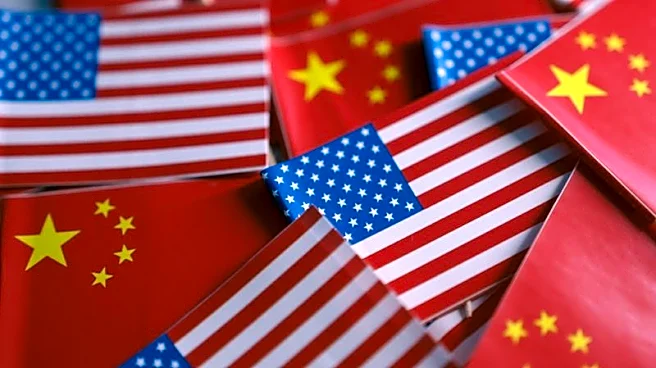
President Trump is set to travel to Beijing for a high-stakes summit with Chinese leader Xi Jinping. The primary focus of the meeting is expected to be the ongoing conflict in Iran, a nation with which China maintains close ties, primarily as a major
importer of Iranian oil. This summit comes at a critical time as President Trump has indicated that the ceasefire with Iran is on 'life support,' and there are discussions within his administration about potentially resuming combat operations. The meeting underscores the complex geopolitical dynamics at play, with China being a significant ally of Iran, which adds layers of diplomatic challenges for the U.S. in managing its foreign policy objectives in the region.
Why It's Important?
The summit between President Trump and Xi Jinping is significant as it could influence the future of U.S.-China relations and the broader geopolitical landscape in the Middle East. The outcome of these discussions may impact global oil markets, given China's role as a major consumer of Iranian oil. Additionally, any shift in U.S. policy towards Iran could have ramifications for international security and economic stability. The meeting also highlights the delicate balance the U.S. must maintain in its foreign policy, navigating its strategic interests while managing alliances and rivalries.
What's Next?
Following the summit, potential outcomes could include a reaffirmation of diplomatic efforts to maintain the ceasefire in Iran or a shift towards renewed military engagement. The international community will be closely watching for any joint statements or agreements that emerge from the meeting, which could signal changes in the U.S. approach to both Iran and its relationship with China. Additionally, reactions from other global powers and regional stakeholders will be critical in shaping the next steps in this complex geopolitical issue.