



What's Happening?
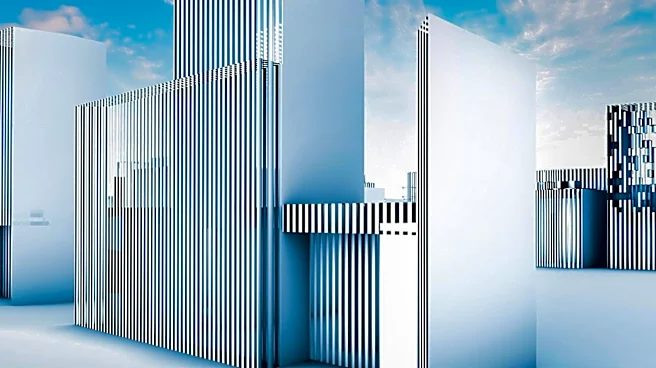
Nearly 70 years after Frank Lloyd Wright introduced plans for a mile-high skyscraper, known as The Illinois, the design has been brought to life through 3D renderings by Spanish architect David Romero. The Illinois was envisioned as a 528-story 'city
in the sky,' combining housing, offices, commerce, and transportation infrastructure within a single vertical development. Romero's renderings offer a glimpse of what this futuristic structure might have looked like if it had been constructed in Chicago. The project highlights Wright's innovative approach to urban planning, emphasizing dense, mixed-use development over suburban sprawl. Romero's work is part of a broader discussion on the future of architecture, focusing on whether to build higher or to renovate existing structures to reduce carbon emissions.
Why It's Important?
The revival of Wright's design through Romero's renderings underscores ongoing debates in urban planning and architecture. The Illinois represents a shift towards vertical, mixed-use developments that could address issues of suburban sprawl and sustainability. This concept aligns with modern urban planning strategies that advocate for transit-oriented development. The project also highlights the potential environmental benefits of reusing existing buildings, as noted by the American Institute of Architects, which can significantly reduce carbon emissions compared to new constructions. Wright's vision continues to influence contemporary architectural thought, challenging current norms about building height and urban density.
What's Next?
While The Illinois remains unbuilt, its conceptual revival may inspire future architectural projects that prioritize vertical density and sustainability. Urban planners and architects might explore integrating similar mixed-use designs in modern cities, potentially transforming skylines and urban living. The discussion around Wright's design could lead to increased interest in developing innovative solutions for urban growth, balancing the need for new construction with environmental considerations. As cities continue to expand, the principles embodied in The Illinois may guide future developments towards more sustainable and efficient urban environments.
Beyond the Headlines
Wright's design, though never realized, offers insights into the potential for architecture to address contemporary challenges such as urban sprawl and environmental sustainability. The Illinois serves as a conceptual proof of how far architectural ideas can be pushed, encouraging architects to think beyond traditional constraints. The project also raises questions about the feasibility of such ambitious designs in today's regulatory and technological landscape, highlighting the need for innovation in building codes and construction technologies to accommodate future architectural advancements.