

What's Happening?
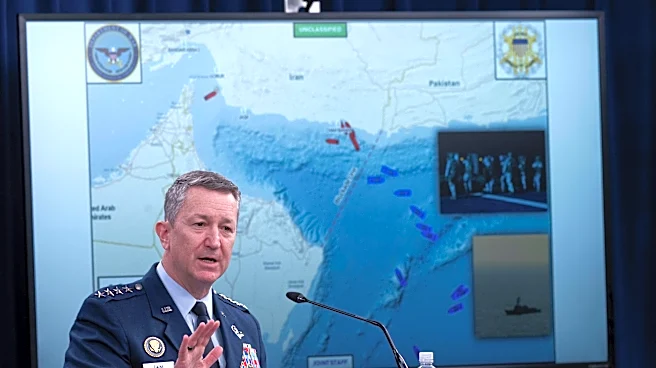
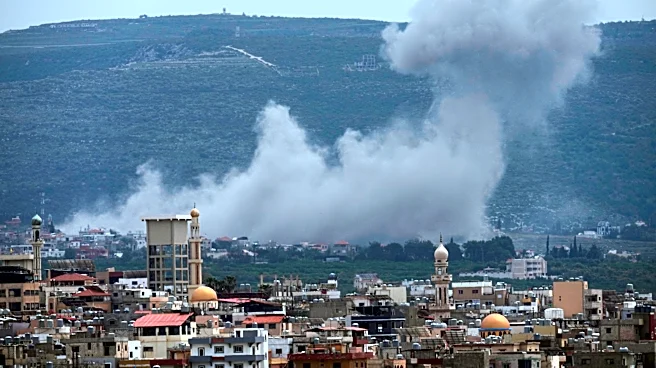
US Central Command (CENTCOM) has reported that nearly 400 US troops have been wounded in the ongoing conflict with Iran, with 13 service members killed in combat. CENTCOM spokesman Tim Hawkins stated that 354 of the wounded have returned to duty. Diplomatic
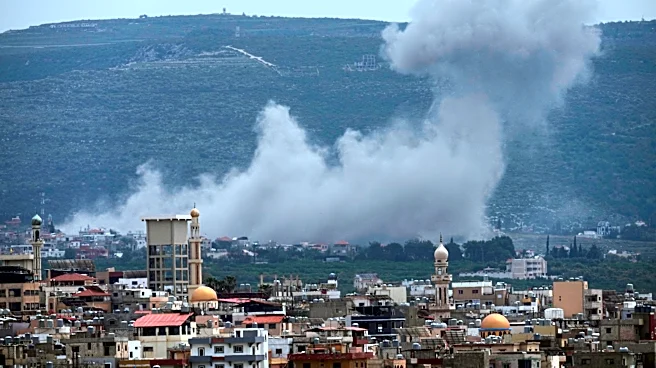
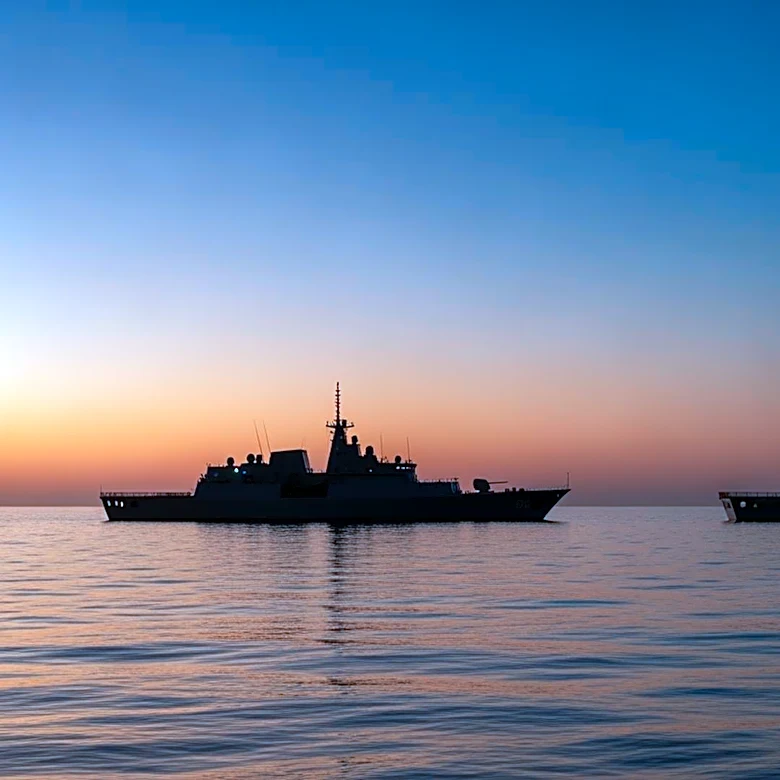
efforts between Washington and Tehran have yet to yield a long-term agreement, despite recent talks in Islamabad, Pakistan. The conflict began on February 28, when the United States and Israel launched a military operation targeting Iran, leading to Tehran's closure of the Strait of Hormuz to vessels connected to the US, Israel, and their allies.
Why It's Important?
The conflict with Iran poses significant challenges for US foreign policy and military strategy in the Middle East. The casualties underscore the human cost of military operations and highlight the urgency of diplomatic efforts to resolve the conflict. The closure of the Strait of Hormuz, a critical maritime passage, affects global oil supply and trade, with potential repercussions for international markets. The situation also impacts US-Iran relations, as both countries navigate complex geopolitical tensions and seek to avoid further escalation.
What's Next?
Another round of discussions between US and Iranian representatives may take place on April 16, as both sides continue to seek a resolution to the conflict. The temporary ceasefire announced by Washington on April 7 provides a window for diplomatic engagement, but the lack of a breakthrough in talks suggests that tensions may persist. The international community, including allies and regional stakeholders, will closely monitor developments and potential shifts in the geopolitical landscape.