






What's Happening?
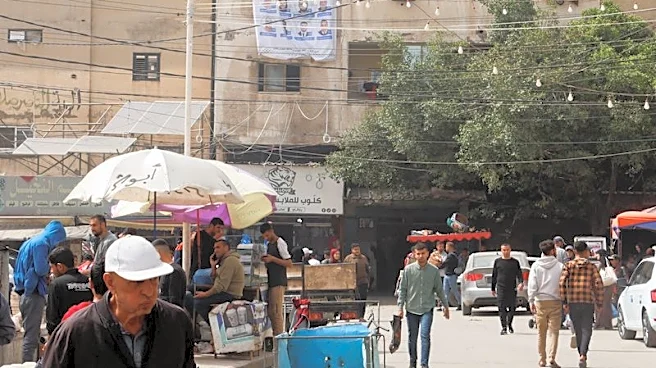
The United Nations Relief and Works Agency for Palestine Refugees in the Near East (UNRWA) has announced a reduction in school days to four per week for its schools in the West Bank. This decision comes as a result of significant financial difficulties,
which have also led to a 20% reduction in working hours for UNRWA staff. The agency, which provides services to a third of the West Bank's population, has been facing a shortfall in funding, receiving only $570 million of the $880 million needed in 2025. The reduction in school days is expected to continue until the end of the academic year. The funding issues are compounded by ongoing criticism from Israel and organizations like UN Watch, which have accused UNRWA of failing to address the presence of Hamas members within its staff and facilities.
Why It's Important?
The reduction in educational services by UNRWA could have significant implications for the stability of the region. With 48,000 students enrolled in 90 schools, the cutback in school days may lead to increased delinquency and radicalization among youth, as noted by Roland Friedrich, director of UNRWA's West Bank field office. The financial constraints and criticism from international bodies highlight the challenges faced by UNRWA in maintaining its operations. The agency's role is crucial in providing education and services to Palestinian refugees, and any disruption could exacerbate tensions in the already volatile region.
What's Next?
UNRWA will need to seek additional funding to restore full educational services. The agency may also face increased scrutiny and pressure to address the allegations of Hamas involvement within its ranks. The international community, particularly donor countries, may play a critical role in determining the future of UNRWA's operations. The situation underscores the need for a sustainable funding model and effective oversight to ensure the agency can continue its mission without compromising security or educational standards.