


What's Happening?
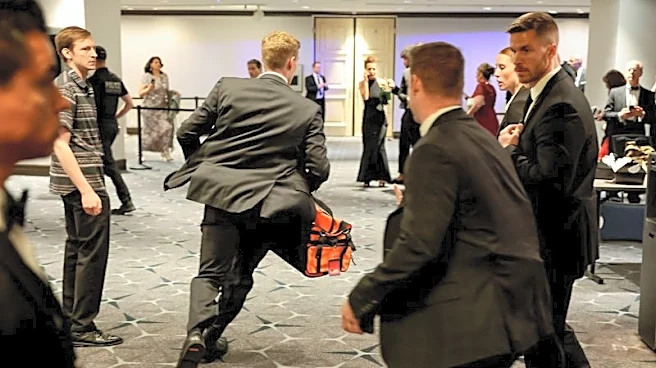
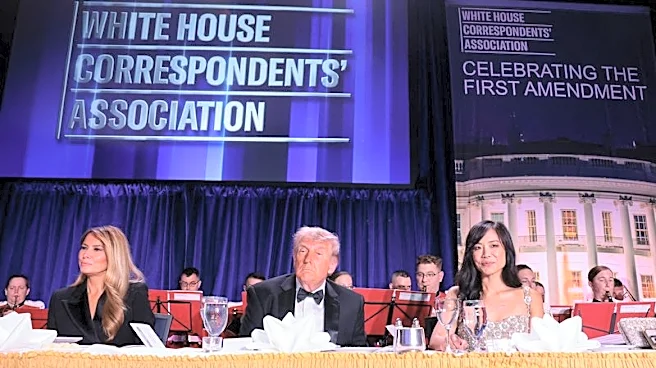
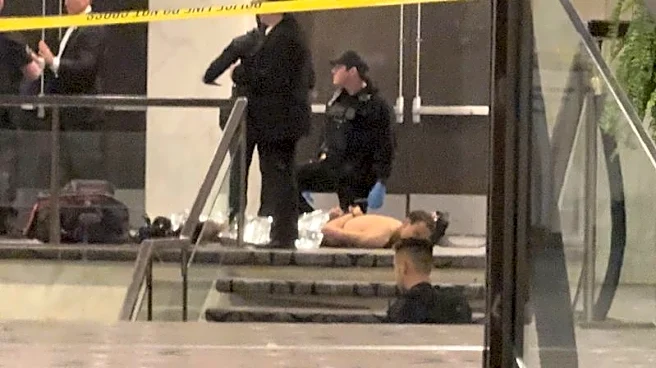
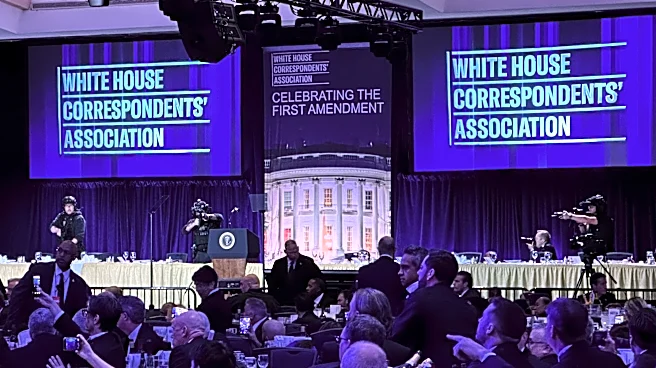
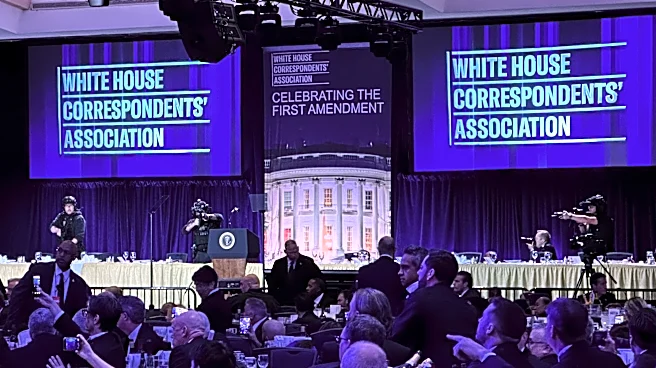
An attempted assassination at the White House Correspondents' Dinner has raised significant security concerns for U.S. leadership. The attack, which occurred at the Washington Hilton, targeted not only President Trump but also other administration officials.
A U.S. Secret Service agent was injured, but the situation was quickly contained by law enforcement. The incident has sparked discussions about the safety protocols for gatherings involving high-ranking government officials. The presence of President Trump, Vice President, and other key figures in the line of succession in one location has been criticized as a potential security risk. The event has prompted calls for reevaluating the security measures for such high-profile gatherings.
Why It's Important?
The attack underscores the vulnerabilities in the current security arrangements for U.S. leaders, especially when they are gathered in one place. The potential for a catastrophic event that could disrupt the presidential line of succession is a significant concern. This incident highlights the need for a reassessment of security protocols to ensure the safety of government officials. The implications extend to national security and the continuity of government operations. The event also raises questions about the balance between public visibility and the safety of political leaders, especially in a politically charged environment.
What's Next?
In the wake of the attack, there may be increased pressure on the Secret Service and other security agencies to enhance protective measures for government officials. Discussions about the feasibility of having multiple high-ranking officials in one location are likely to intensify. There could be calls for legislative or procedural changes to address these security concerns. Additionally, the incident may lead to a broader debate about the role of public events in political life and how they can be conducted safely without compromising the security of the nation's leaders.