

What's Happening?
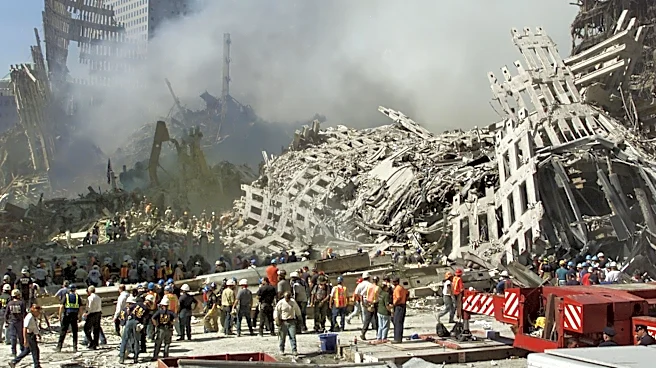
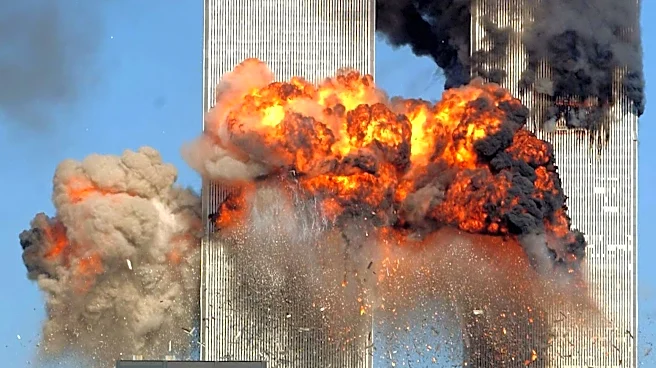
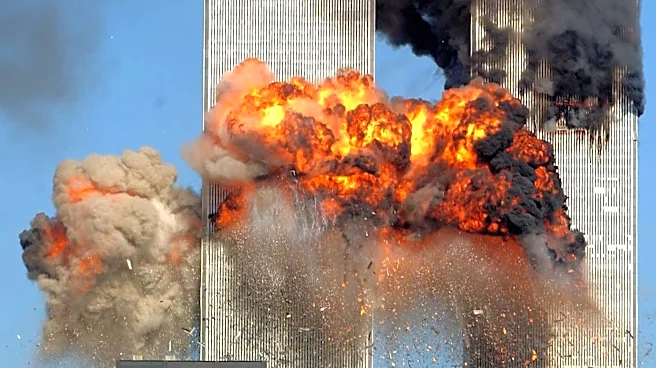
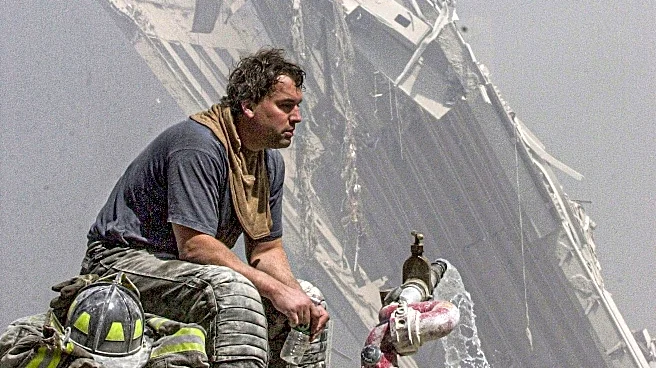
New York City Mayor Zohran Mamdani's planned attendance at this year's 9/11 terror attack commemoration has become the focal point of a political dispute. Former New York City Mayor Rudy Giuliani has publicly called for Mayor Mamdani not to attend the ceremony,
making what are described as false claims about Islam, Mayor Mamdani's faith. Despite these calls, Mayor Mamdani has affirmed his intention to attend the commemoration, consistent with his participation in the event last year. The controversy highlights ongoing tensions and the politicization of the solemn anniversary, drawing attention to issues of religious identity and public representation in the context of a national tragedy.
Why It's Important?
This political fight is significant because it injects religious and political division into a day traditionally reserved for solemn remembrance and unity. The 9/11 commemoration is a sensitive event for many New Yorkers and Americans, particularly for the families of victims and first responders. Attempts to exclude a sitting mayor based on their faith, as alleged against former Mayor Giuliani, can be seen as divisive and discriminatory, potentially undermining the spirit of inclusivity and respect that such commemorations aim to foster. It also brings to the forefront discussions about Islamophobia in the U.S. and the role of religious identity in public office, especially in a diverse city like New York. The controversy risks shifting focus from honoring the victims to political infighting.
What's Next?
Mayor Mamdani is expected to attend the 9/11 commemoration as planned, which may lead to further public commentary from those critical of his attendance or supportive of his right to be there. The incident could also prompt broader discussions about religious tolerance and political rhetoric surrounding national tragedies. Media coverage will likely focus on Mayor Mamdani's presence at the event and any reactions from attendees or public figures. This situation may also influence future political discourse in New York City, particularly concerning interfaith relations and the representation of diverse communities in leadership roles. The controversy serves as a reminder of the persistent challenges in navigating religious and political sensitivities in public life.
Beyond the Headlines
This incident delves into deeper societal issues beyond the immediate political spat. It underscores the enduring impact of the 9/11 attacks on American identity and the persistent challenges of combating Islamophobia, which often resurfaces around the anniversary of the attacks. The controversy also highlights the weaponization of religious identity in political discourse, where faith can be used to question an individual's loyalty or suitability for public office. Mayor Mamdani's decision to attend despite the calls for his absence can be viewed as a stand against such divisive tactics, asserting his right as an elected official to participate in significant civic events regardless of his religious background. This situation reflects a broader struggle within American society to reconcile national memory with evolving demographics and diverse leadership.