
What's Happening?
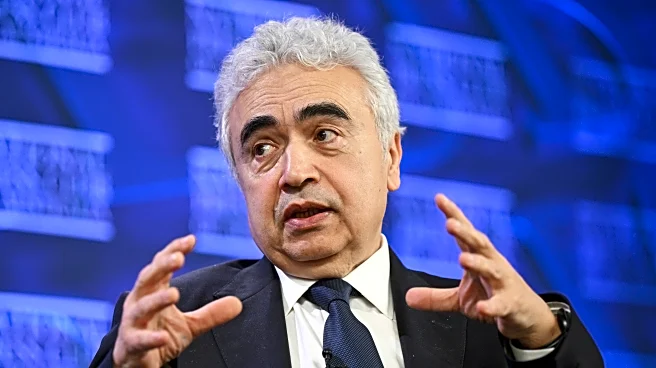
The head of the International Energy Agency, Fatih Birol, has warned that the ongoing conflict involving Iran poses a significant threat to the global economy. The crisis has already had a more severe impact on oil and gas markets than past oil shocks
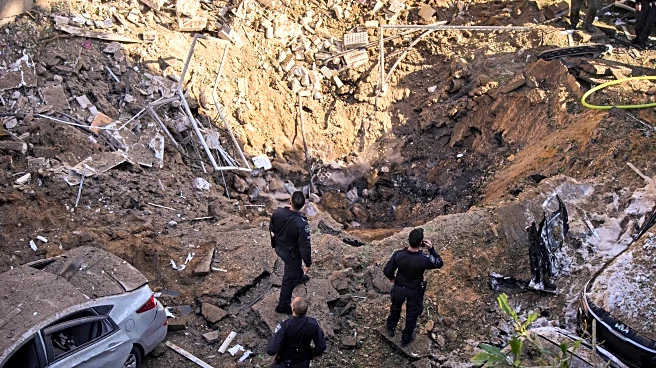
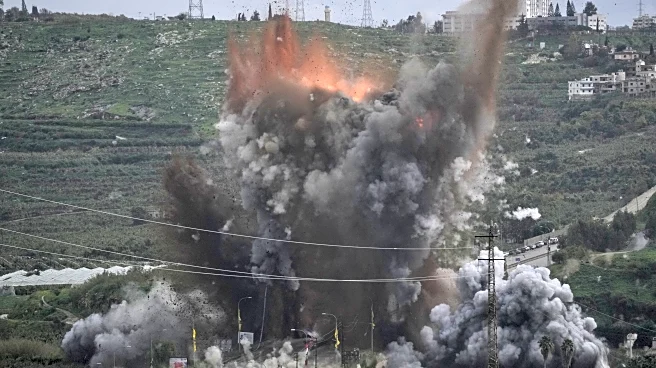
and the Russia-Ukraine war. The situation has escalated with recent military actions by Israel and threats from the U.S. President Trump to target Iranian power plants if the Strait of Hormuz is not reopened. This has led to fears of prolonged disruptions in oil and gas production in the Middle East, potentially causing sustained high prices and global inflation.
Why It's Important?
The conflict in the Middle East, particularly involving Iran, has far-reaching implications for global energy markets and economic stability. The potential for prolonged disruptions in oil and gas supplies could lead to significant price increases, affecting industries and consumers worldwide. This situation underscores the interconnectedness of global economies and the critical role of stable energy supplies. The U.S. and other nations may face increased pressure to secure energy resources and manage inflationary pressures, highlighting the need for strategic energy policies and international cooperation to mitigate the crisis's impact.
What's Next?
The International Energy Agency is considering further releases of oil reserves to stabilize markets, while diplomatic efforts may intensify to resolve the conflict and reopen the Strait of Hormuz. The U.S. and its allies will likely continue to assess the situation and explore options to secure energy supplies and prevent further economic disruption. The outcome of these efforts will be crucial in determining the global economic trajectory and the stability of energy markets in the coming months.