






What's Happening?
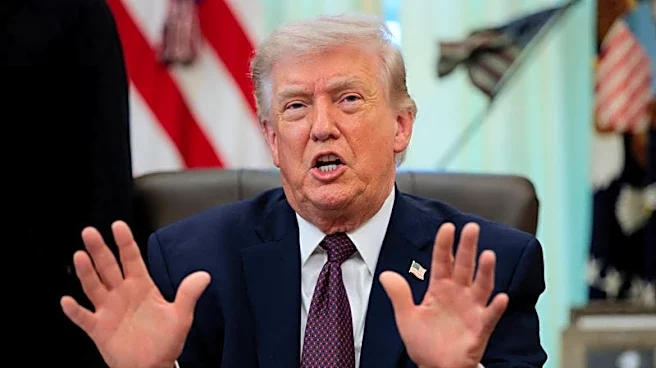
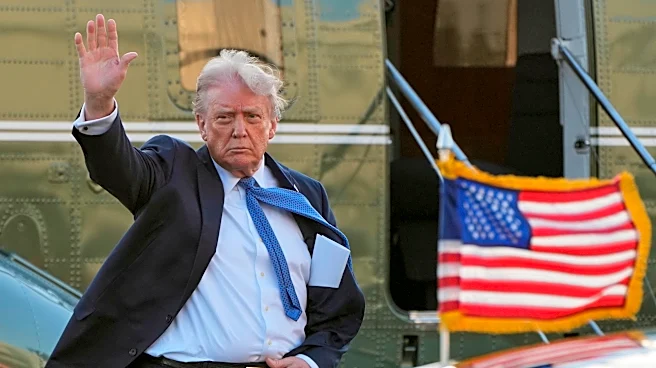
A letter to the editor in the Los Angeles Times discusses the historical context of U.S. presidents acting without congressional approval, with a focus on President Trump. The letter, written by Kip Dellinger, draws parallels between Trump and past presidents like
Thomas Jefferson, who also took actions without seeking congressional consent. Dellinger argues that political leaders are products of their time and suggests that Trump's actions, while controversial, are not unprecedented. The letter criticizes columnist Jonah Goldberg for not acknowledging similar actions by past presidents and suggests that political dynamics often involve power struggles and concessions.
Why It's Important?
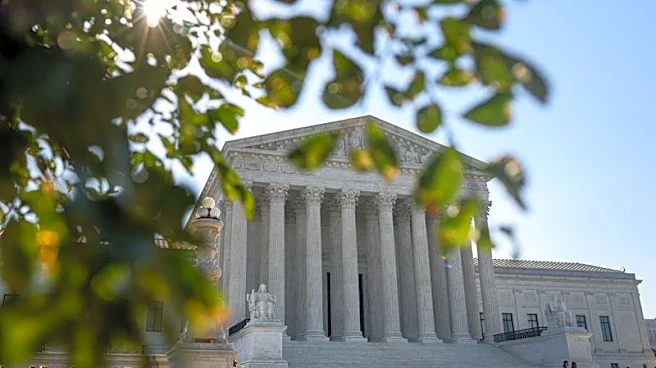
The discussion around presidential actions without congressional approval is significant as it touches on the balance of power within the U.S. government. This debate is crucial for understanding the limits of executive power and the role of Congress in checking presidential authority. The historical context provided in the letter highlights that such actions are not new, offering a perspective on how political norms and practices evolve. This conversation is relevant in the current political climate, where executive actions are frequently scrutinized and debated, impacting public trust and governance.
Beyond the Headlines
The letter raises questions about the ethical and legal implications of executive actions taken without congressional approval. It prompts a reflection on the constitutional framework designed to prevent the concentration of power and ensure accountability. The historical examples cited suggest a pattern where presidents have occasionally bypassed Congress, raising concerns about the potential erosion of democratic principles. This discussion also underscores the importance of historical awareness in evaluating contemporary political actions and the need for ongoing dialogue about the appropriate balance of power in government.