






What's Happening?
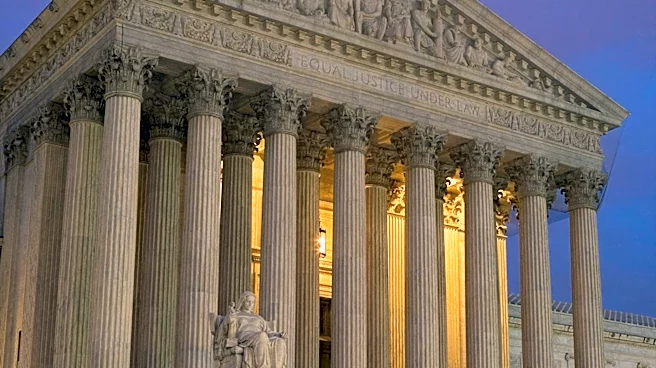
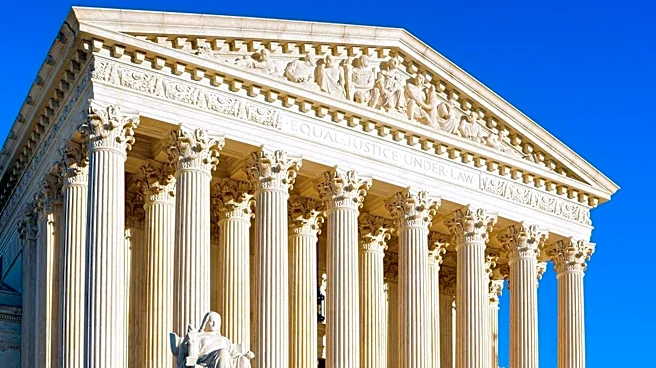
The U.S. Supreme Court has declined to intervene in the case of Catherine Herridge, a former Fox News reporter, who faces an $800 daily fine for refusing to disclose her confidential source. This decision comes after Herridge was held in civil contempt
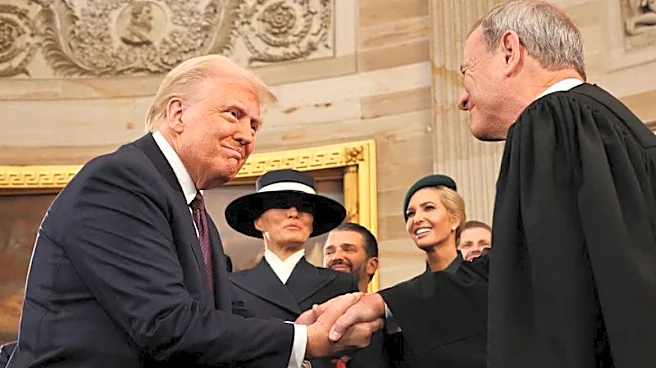
in a lawsuit filed by scientist Yanping Chen against the government. Chen, who was investigated by the FBI but never charged, claims that leaked information from the investigation was used in Herridge's 2017 reports, which examined Chen's alleged ties to the Chinese military. The court's refusal to stay the fine follows a previous temporary hold by Chief Justice John Roberts. Justice Brett Kavanaugh was the only member of the court to support Herridge's appeal for a stay.
Why It's Important?
This case highlights the ongoing tension between journalistic freedom and legal accountability. The Supreme Court's decision not to intervene underscores the challenges journalists face in protecting their sources, a cornerstone of investigative reporting. Media advocates argue that forcing journalists to reveal sources could deter whistleblowers from exposing government misconduct, thereby impacting the free flow of information. The ruling also emphasizes the legal complexities surrounding the Privacy Act, which Chen claims was violated when her private information was leaked. The outcome of this case could set a precedent for how similar cases are handled in the future, potentially affecting the balance between press freedom and privacy rights.
What's Next?
With the Supreme Court's decision, Herridge must now decide whether to comply with the court order or continue facing the daily fine. Fox News Media has expressed disappointment in the ruling and is considering further legal options to defend journalistic principles. Meanwhile, Chen's legal team hopes the decision will expedite the resolution of their case, as they seek to identify the source of the leak. The case will likely continue to be closely monitored by media organizations and legal experts, given its implications for press freedom and privacy rights.