



What's Happening?
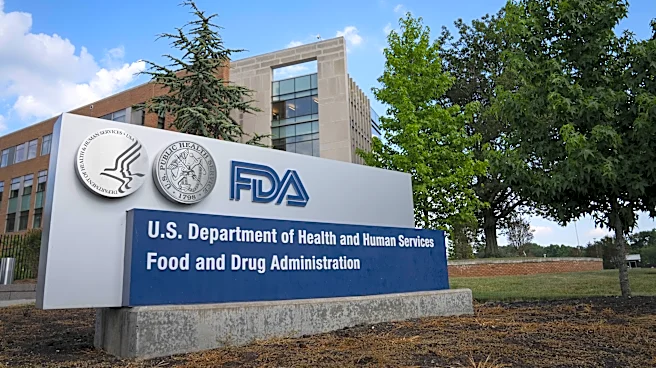
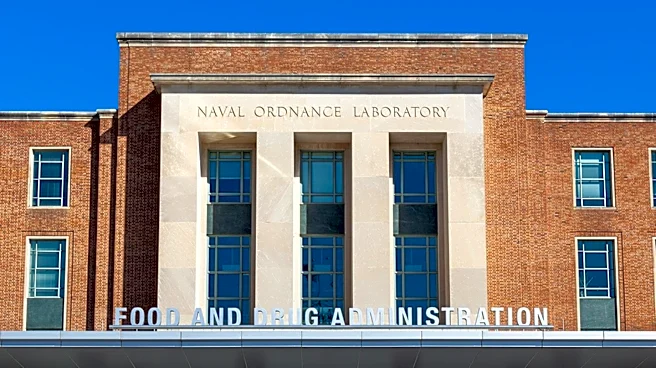
The Vaccines and Related Biological Products Advisory Committee (VRBPAC) is a standing panel of external experts that advises the U.S. Food and Drug Administration (FDA) Commissioner on the safety, effectiveness, and appropriate use of vaccines and related
biological products. Established in 1979, VRBPAC's role is purely advisory; it reviews and evaluates data but does not make regulatory decisions. The FDA retains full authority to approve or license products. VRBPAC's 15 voting members are experts in fields such as immunology, virology, epidemiology, and vaccine safety. Meetings are generally open to the public, including an open public hearing, and are convened by the FDA as needed, not on a fixed annual schedule. The committee's charter, filed December 31, 2025, terminates on December 31, 2027, unless renewed.
Why It's Important?
Understanding the distinct role of VRBPAC is crucial for public comprehension of the vaccine approval process in the U.S. Misconceptions often arise, confusing VRBPAC's advisory function with the FDA's final decision-making authority or with the Centers for Disease Control and Prevention's (CDC) Advisory Committee on Immunization Practices (ACIP), which advises on who should be vaccinated and when. VRBPAC's transparent review of scientific data provides an important layer of independent expert scrutiny, contributing to public confidence in vaccine safety and efficacy. For pharmaceutical companies, researchers, and healthcare providers, VRBPAC meetings offer insights into the scientific considerations that inform FDA decisions, influencing vaccine development, clinical trials, and public health strategies. Its recommendations, while non-binding, are generally followed by the FDA, making its deliberations highly influential.
What's Next?
VRBPAC will continue to convene as needed to review data on new vaccines, vaccine formulations, and related biological products. For instance, a May 28, 2026, session focused on the 2026-2027 formula for COVID-19 vaccines. Stakeholders, including laboratories, vaccine developers, and research offices, will monitor FDA's advisory committee calendar for meeting announcements, topics, and deadlines for public comments or speaking slots. The committee's charter is set to terminate at the end of 2027, meaning its renewal will be a future administrative step. The FDA will continue to make final regulatory decisions based on VRBPAC's advice, its own internal scientific review, and other relevant data, ensuring a multi-faceted approach to vaccine regulation.
Beyond the Headlines
The existence and function of VRBPAC highlight the complex interplay between scientific expertise, public health policy, and regulatory oversight in the U.S. Its advisory role underscores a commitment to evidence-based decision-making, yet the distinction between advice and final authority is often lost in public discourse, particularly during periods of heightened public health concern. The transparency of VRBPAC meetings, including public hearings, serves as a critical mechanism for democratic accountability and public engagement in scientific processes. However, this openness also presents challenges, as complex scientific discussions can be misinterpreted or politicized. The committee's structure and processes are designed to ensure scientific rigor, but effective communication of its role and findings remains a continuous challenge for public health authorities.