







What's Happening?
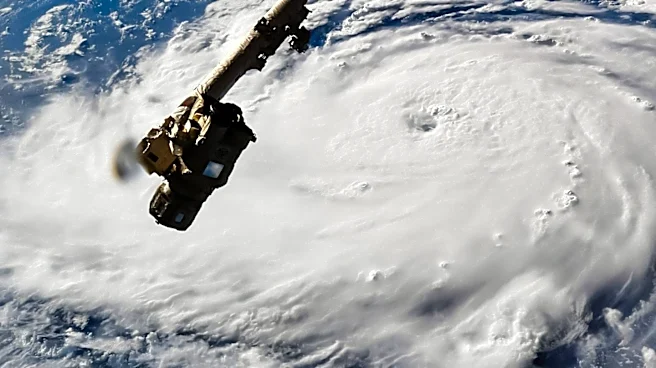
Energy Secretary Chris Wright has publicly stated that hurricanes and floods are not worsening in the U.S., despite scientific studies indicating otherwise. Wright claims that data supports his assertion, although research has shown that climate change
is increasing the severity and frequency of such weather events. During a congressional hearing, Wright dismissed attribution studies as 'non-scientific' and maintained that U.S. hurricane data over 125 years shows no increase in frequency or intensity. His comments have sparked criticism from environmental groups and climate scientists who argue that Wright is selectively using data to downplay the impacts of climate change.
Why It's Important?
Wright's statements have significant implications for U.S. climate policy and public perception of climate change. By downplaying the severity of climate-related disasters, there is a risk of undermining efforts to address climate change and prepare for its impacts. This stance could influence policy decisions and funding allocations for disaster preparedness and mitigation. Additionally, it may affect public trust in government agencies responsible for environmental protection and climate research. The controversy highlights the ongoing debate between scientific consensus and political narratives regarding climate change.
Beyond the Headlines
The Energy Secretary's comments reflect broader political and ideological divides over climate change in the U.S. These divisions can impact legislative efforts to implement comprehensive climate policies and transition to renewable energy sources. The debate also underscores the challenges of communicating scientific findings to the public and policymakers, particularly when faced with conflicting narratives. Long-term, the reluctance to acknowledge and address climate change could have profound effects on environmental sustainability, economic stability, and public health.