







What's Happening?
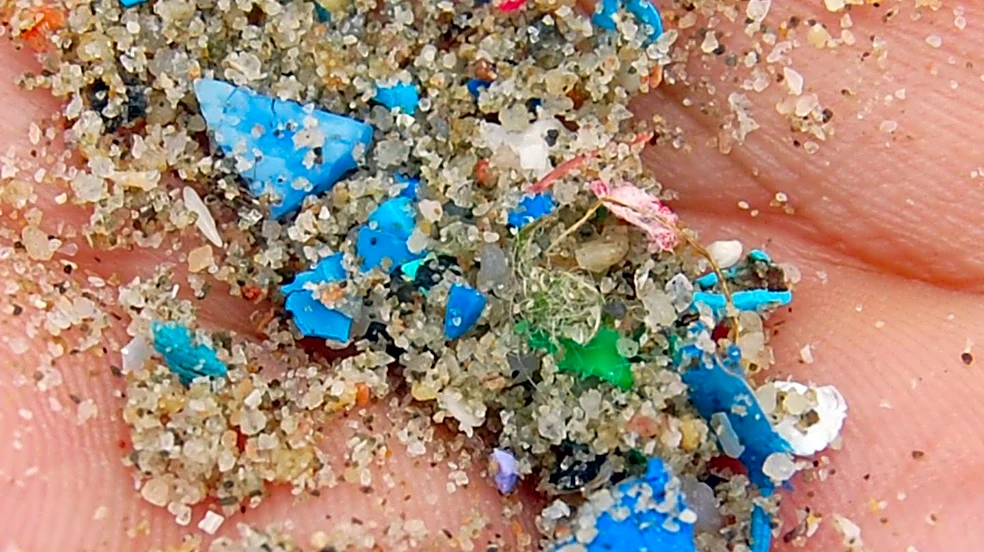
Over 40 million people in the United States and Canada rely on the Great Lakes for drinking water, which is now contaminated with microplastics. These tiny plastic particles, smaller than a grain of rice, are laden with toxic chemicals linked to various
diseases, including heart and brain ailments. Fish, a dietary staple for many communities, are also contaminated. Despite these widespread health concerns, the pollution remains unregulated, and plastic manufacturers are reportedly increasing production. A Chicago Tribune review of government, scientific, and internal industry documents indicates that powerful companies downplay the dangers of plastics and overstate recycling capabilities, often blaming consumers for the pollution. Scientists are particularly concerned about microplastics' potential links to Parkinson’s disease, impaired fertility, premature births, certain cancers, and developmental problems in children. University of Illinois researchers are tracking the effects of plastics-related chemicals in over 400 children since before their birth.
Why It's Important?
The pervasive microplastic contamination in the Great Lakes represents a significant public health crisis for millions of Americans and Canadians. The lack of regulation, coupled with increased plastic production, suggests a growing threat to water quality and food safety. The alleged tactics by plastic manufacturers, reminiscent of those used by the tobacco industry, highlight a systemic issue where corporate interests may be prioritized over public health and environmental protection. The potential long-term health consequences, including neurological disorders, reproductive issues, and cancer, could lead to substantial healthcare burdens and reduced quality of life for affected populations. Furthermore, the contamination of fish impacts local economies and the cultural practices of Indigenous tribes and other communities.
What's Next?
Illinois has initiated a measure requiring polluters to report spills of industrial plastic pellets, known as nurdles, and develop plans to limit their presence in storm runoff. This makes Illinois the first state in the Great Lakes and Mississippi River watersheds to officially classify wasted plastic bits as pollution. This action could serve as a model for other states to implement similar regulations. Researchers are continuing to investigate the health impacts of microplastics, including a recent study published in Nature, which found that chemical reactions between water and six types of fossil fuel-based plastic created particles that damaged red blood cells and proteins in laboratory tests. Further research and regulatory efforts are anticipated to address the escalating plastic pollution crisis.
Beyond the Headlines
The issue of microplastic pollution extends beyond immediate health concerns, touching upon ethical and legal dimensions regarding corporate responsibility and environmental justice. The industry's alleged strategy of deflecting blame onto consumers raises questions about accountability and the effectiveness of current environmental regulations. The widespread presence of microplastics in waterways and human bodies suggests a fundamental flaw in the lifecycle of plastic products, from production to disposal. This situation may necessitate a re-evaluation of material science, pushing for the development of truly biodegradable alternatives and more robust recycling infrastructures. The long-term cultural impact on communities that rely on the Great Lakes for sustenance and recreation also warrants consideration, as traditional practices and livelihoods are threatened by this persistent contamination.