




What's Happening?
A significant heat wave is affecting the Western United States, with temperatures reaching near-record highs. This weather pattern, known as a heat dome, is causing dangerous conditions from Arizona to Montana. Cities like Las Vegas and Phoenix are experiencing
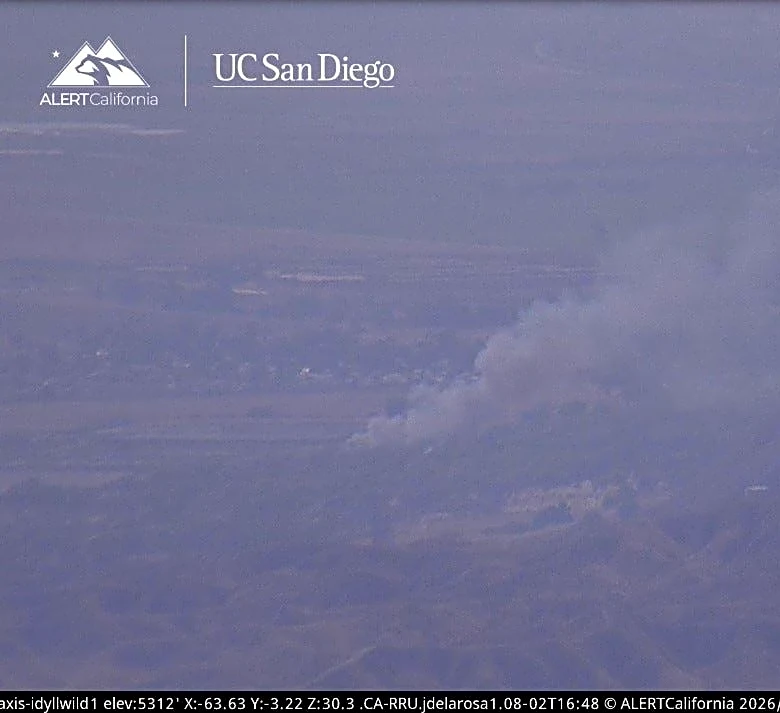
extreme temperatures, with Las Vegas hitting 115°F and Phoenix expected to reach 116°F. The National Weather Service has issued warnings for these areas, urging residents to stay indoors and hydrated. The heat wave is exacerbating wildfire risks, particularly in already dry regions. Washington Governor Bob Ferguson has declared a state of emergency due to the heightened wildfire threat, banning most outdoor and agricultural burning through September.
Why It's Important?
The heat wave poses significant risks to public health and safety, as well as environmental concerns. High temperatures can lead to heat-related illnesses and strain on healthcare systems. The increased risk of wildfires threatens communities, wildlife, and natural resources, potentially leading to evacuations and property damage. This situation highlights the broader impacts of climate change, as such extreme weather events become more frequent and intense. The economic implications are also notable, with potential disruptions to agriculture and tourism industries in affected areas.
What's Next?
Authorities are closely monitoring the situation, with emergency services on high alert for potential wildfires. Residents are advised to follow safety guidelines and prepare for possible evacuations. The heat wave is expected to be short-lived, but the ongoing threat of wildfires remains a concern. Efforts to mitigate climate change and improve emergency response systems are likely to be a focus in the aftermath of this event.