





What's Happening?
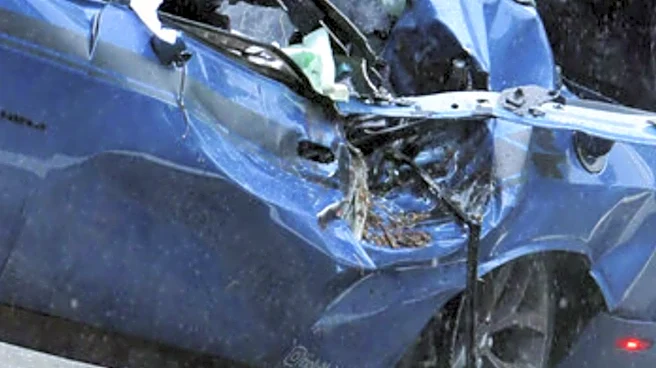
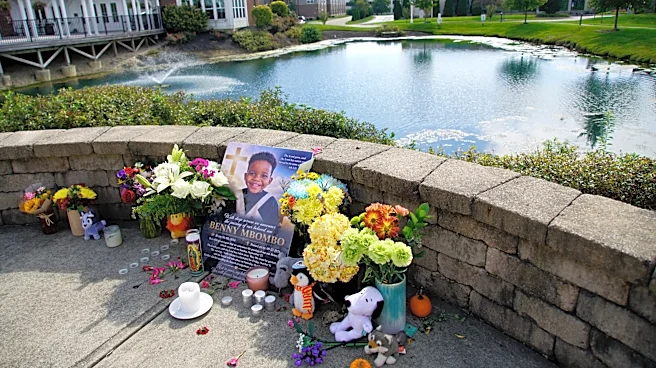
An Akron mother is facing the tragic loss of her second son in three years due to a pedestrian crash. This recent incident highlights a recurring and devastating issue for the family. The news report from Cleveland19.com indicates that this is the second such
fatality within a short period, underscoring a profound personal tragedy. While specific details about the recent crash, such as the exact location, time, or circumstances, are not provided in the source, the core development is the mother's repeated experience of losing a child to pedestrian accidents. The report focuses on the emotional impact on the family, particularly the mother, as she prepares to bury another son. This event is part of local news coverage in Akron, Ohio, drawing attention to the severe consequences of pedestrian incidents in the community.
Why It's Important?
This tragic event is important as it underscores the severe human cost of pedestrian accidents in urban areas like Akron. The loss of two children to similar incidents within a short timeframe for one family highlights potential systemic issues related to pedestrian safety, infrastructure, or driver awareness in the community. Such repeated tragedies can lead to increased public scrutiny of local traffic laws, urban planning, and enforcement efforts aimed at protecting pedestrians. For the community, it serves as a somber reminder of the fragility of life and the devastating impact of road accidents on families. It may also prompt calls for greater investment in pedestrian-friendly infrastructure, public awareness campaigns, or stricter penalties for negligent driving to prevent future fatalities. The emotional toll on the affected family is immense, and their story can galvanize local efforts to improve safety for all residents.
What's Next?
Following this tragic event, it is likely that local authorities and community groups in Akron will face increased pressure to review and address pedestrian safety measures. This could include investigations into the specific circumstances of both crashes to identify common factors or areas for improvement. Community discussions may emerge regarding the need for better crosswalks, improved lighting, reduced speed limits in residential areas, or enhanced public education campaigns on pedestrian and driver responsibilities. Advocacy groups for road safety may become more vocal, pushing for policy changes or infrastructure upgrades. For the affected family, the immediate future involves navigating the grieving process and potentially seeking support from community resources. The long-term impact could see a renewed focus on preventing such tragedies, potentially leading to tangible changes in urban planning and traffic management in Akron.
Beyond the Headlines
Beyond the immediate tragedy, this story touches upon deeper societal implications regarding urban development and public safety. The recurrence of pedestrian fatalities within a single family suggests a critical vulnerability in the urban environment that extends beyond individual incidents. It raises questions about equitable access to safe public spaces and the protection of vulnerable road users, particularly in areas where infrastructure may not adequately separate pedestrians from vehicular traffic. Ethically, it prompts a reflection on collective responsibility for road safety and the measures communities are willing to undertake to prevent such profound losses. Culturally, these events can shape public perception of safety in their neighborhoods and influence how residents interact with their urban surroundings. The long-term shift could involve a greater emphasis on 'Vision Zero' initiatives, aiming to eliminate traffic fatalities and severe injuries, and a more integrated approach to urban planning that prioritizes pedestrian well-being alongside vehicular flow.