

What's Happening?
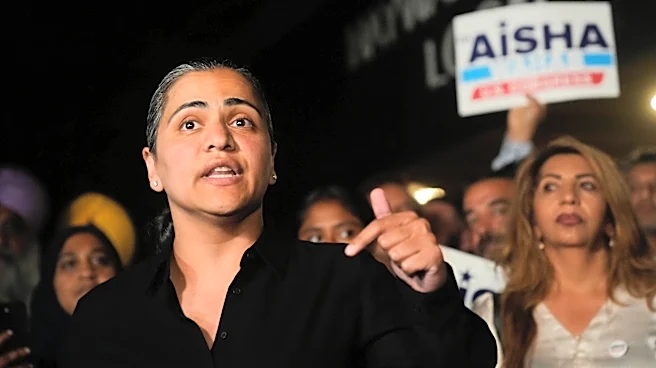
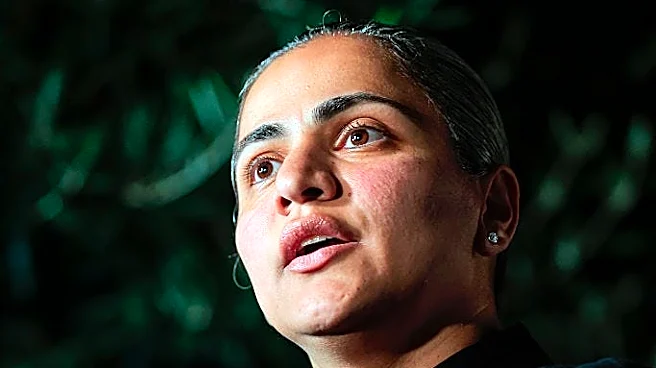
Democratic Caucus Chair Pete Aguilar, alongside former House Speaker Nancy Pelosi, lobbied State Senator Aisha Wahab against running in the California 14th Congressional District special election. This intervention aimed to support a plan for a temporary
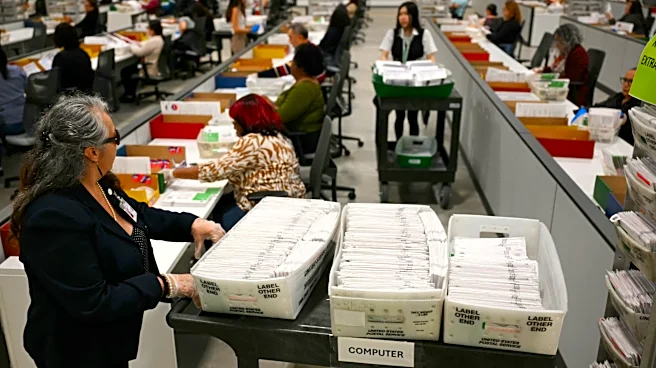
Democratic caretaker to fill the seat vacated by Eric Swalwell. Wahab, however, refused these requests, a decision that has highlighted existing tensions between the progressive and establishment wings of the Democratic Party in California. Rep. Zoe Lofgren, chair of California’s House delegation, publicly criticized Wahab for her refusal, suggesting Wahab prioritized personal gain over party strategy. The special election saw Wahab narrowly leading Melissa Hernandez, a race that became unexpectedly tight due to significant outside spending, much of it from AIPAC-affiliated super PACs opposing Wahab. Wahab attributed the close margins to these external financial influences and 'relentless smears.' The outcome of the election remains uncertain, with final results pending further vote counts.
Why It's Important?
This situation underscores a significant internal struggle within the Democratic Party, particularly between its progressive and establishment factions. The lobbying efforts by prominent figures like Pete Aguilar and Nancy Pelosi against a progressive candidate like Aisha Wahab reveal a strategic divergence on how to manage special elections and maintain party control. The substantial outside spending, particularly from pro-Israel aligned groups, further complicates the narrative, suggesting that national and international issues can heavily influence local and state-level elections. This dynamic can alienate progressive voters who feel their preferred candidates are being undermined by party leadership and external interests. The outcome of such races can impact the party's unity and its ability to present a cohesive front in future elections, potentially affecting voter turnout and overall electoral success. It also raises questions about the influence of money in politics and the challenges faced by candidates who do not align with established party preferences or powerful external lobbies.
What's Next?
The immediate next step is the finalization of the special election results in California's 14th Congressional District, with Alameda County expected to release additional vote counts soon. Regardless of the special election's outcome, Aisha Wahab and Melissa Hernandez are anticipated to face each other again in the November general election for a full two-year term. This rematch will likely continue to be a focal point for the internal Democratic Party tensions and outside spending that characterized the special election. The ongoing friction between progressive and establishment Democrats could lead to further public disagreements and potentially impact fundraising and campaign support for candidates in other races. Stakeholders, including party leaders, progressive organizations, and external PACs, will likely analyze the results of this special election to refine their strategies for the general election and future contests, potentially leading to increased efforts to either unify the party or further entrench factional divides.
Beyond the Headlines
The events in California's 14th Congressional District reflect a broader national trend of ideological polarization within the Democratic Party. The establishment's attempt to influence a candidate's decision and the subsequent public criticism highlight a struggle for control over the party's direction and candidate selection. This dynamic can lead to a perception among voters that the party leadership is out of touch with its grassroots, potentially fostering disillusionment and reducing engagement. The significant role of outside money, particularly from groups with specific policy agendas, raises ethical questions about the integrity of the electoral process and the extent to which external interests can shape local political outcomes. This situation could also set a precedent for how future special elections are managed, potentially leading to more overt interventions from party leadership or increased financial influence from external organizations. The long-term implications include a potential weakening of party cohesion and a more fragmented political landscape, where internal battles become as significant as inter-party competition.