



What's Happening?
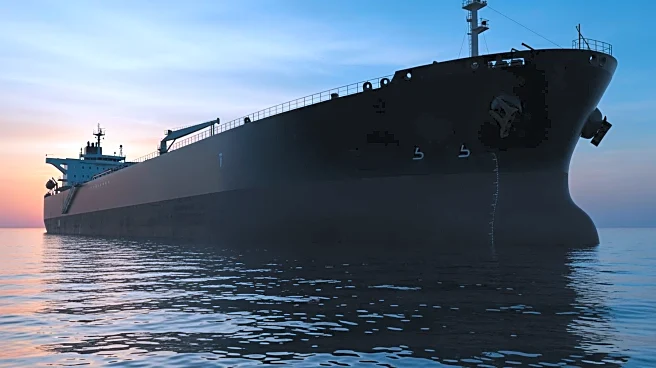
The United States recently seized a Venezuelan oil tanker, leading to a significant drop in Venezuelan oil exports. This action is part of broader U.S. sanctions targeting shipping firms and vessels involved with Venezuelan oil. Despite these disruptions,
China, the largest importer of Venezuelan crude, is expected to see an increase in Venezuelan oil arrivals this month and next. Analysts attribute this to a surge in exports over the past four months and deep discounts on Venezuelan crude. The impact of the tanker seizure and potential future sanctions is anticipated to become more evident by February. Meanwhile, the availability of oil from other sanctioned producers like Russia and Iran has resulted in increased floating oil storage in Asia, which has helped mitigate immediate market concerns.
Why It's Important?
The U.S. sanctions on Venezuelan oil shipments highlight the geopolitical tensions affecting global oil markets. These actions could lead to further volatility in oil prices, impacting economies reliant on oil imports. For China, the world's largest oil importer, the situation underscores the importance of diversifying its oil supply sources to mitigate risks associated with geopolitical conflicts. The increased floating storage of oil in Asia suggests a temporary buffer against supply disruptions, but it also indicates potential oversupply issues that could affect global oil prices. The situation also reflects the broader implications of U.S. foreign policy on international trade and energy markets.
What's Next?
The future of Venezuelan oil exports remains uncertain as the U.S. continues to enforce sanctions. The potential for additional seizures or sanctions could further disrupt Venezuelan oil shipments, affecting global supply chains. China and other major importers may need to adjust their sourcing strategies to ensure stable oil supplies. The situation may also prompt discussions among international stakeholders about the impact of sanctions on global energy security and economic stability. Monitoring the response of other oil-producing nations and their ability to fill any supply gaps will be crucial in the coming months.