



What's Happening?
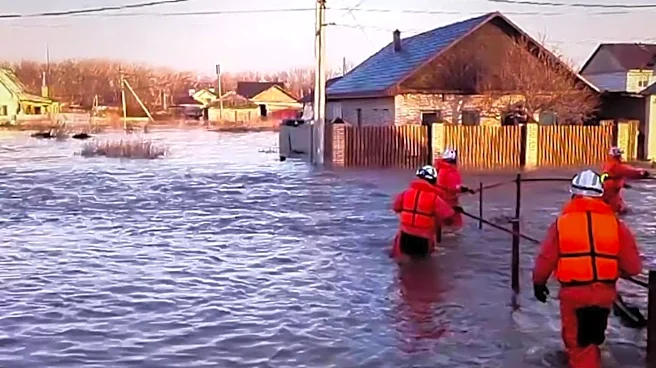
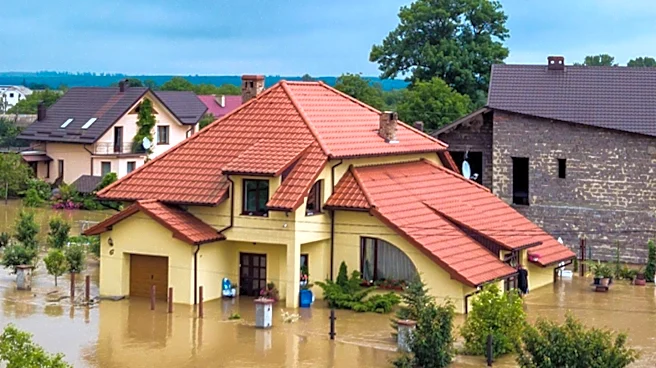
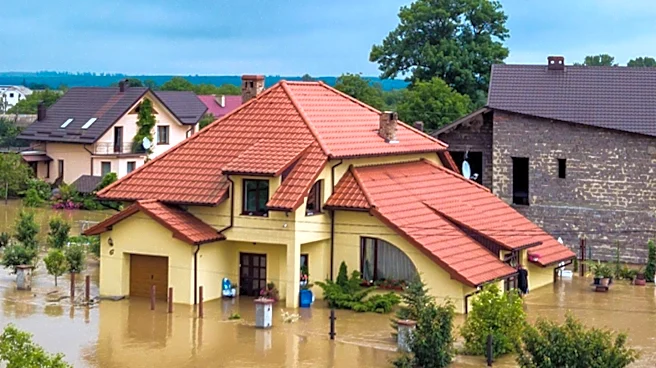
Residents in Arizona's Verde Valley and Cornville are actively engaged in cleanup and rebuilding efforts following destructive floods that swept through the region a week prior. The community response has been significant, with neighbors and volunteers,
including the Yavapai County Jeep Posse, providing crucial assistance in rescues and recovery operations. Drones were utilized during the flooding to locate individuals trapped in their homes, which were surrounded by several feet of floodwaters. One resident, John Krall, noted that while they are accustomed to flooding, the recent event was unprecedented. Another resident, Ryan Hartman, went door-to-door to help neighbors evacuate and is now focused on rebuilding, as the floods damaged essential infrastructure like sewer and water systems. Mark Langfelder, a volunteer with the Yavapai County Jeep Posse, recounted a rescue operation where a woman was safely brought to a helicopter from her flooded two-story home. The community has continued to support those affected by providing food, supplies, and labor.
Why It's Important?
This event highlights the critical role of community resilience and volunteer efforts in disaster response and recovery within the U.S. The rapid mobilization of local residents and organizations like the Yavapai County Jeep Posse demonstrates the immediate impact of grassroots initiatives when official resources may be stretched or delayed. The use of drones in rescue operations also underscores the evolving integration of technology in emergency services, improving efficiency and safety in locating and assisting trapped individuals. The damage to essential infrastructure, such as sewer and water systems, points to broader challenges in maintaining public services in the face of increasingly severe weather events, which can have long-term economic and public health implications for affected communities. The collective spirit of neighbors helping neighbors is vital for morale and practical support, mitigating some of the immediate hardships faced by flood victims and accelerating the path to recovery.
What's Next?
The immediate focus for the Verde Valley and Cornville communities will remain on cleanup, repair, and rebuilding damaged homes and infrastructure. Yavapai County Emergency Management has provided a channel for residents to submit damage reports, which will be crucial for assessing the full extent of the impact and potentially securing aid. Continued volunteer efforts are expected to play a significant role in the coming weeks and months as residents work to restore their properties and lives. Local authorities will likely evaluate existing flood preparedness measures and infrastructure resilience in light of this 'unprecedented' event to better prepare for future occurrences. Discussions may arise regarding potential federal or state assistance programs to support the extensive rebuilding efforts, especially given the damage to public utilities. The community's strong bond suggests ongoing mutual support will be a cornerstone of the recovery process.
Beyond the Headlines
The floods in Verde Valley and Cornville underscore a growing national concern regarding the increasing frequency and intensity of extreme weather events, potentially linked to broader climate patterns. While the immediate focus is on recovery, this incident could prompt a re-evaluation of local zoning laws, building codes, and infrastructure investments to enhance resilience against future natural disasters. The reliance on community-led rescue and recovery efforts, while commendable, also raises questions about the adequacy of existing emergency response frameworks and the need for greater public-private partnerships in disaster management. Furthermore, the psychological toll on residents who have lost homes and possessions, coupled with the arduous process of rebuilding, represents a significant, often overlooked, long-term implication. This event serves as a microcosm of the challenges many U.S. communities face in adapting to a changing climate and the imperative for proactive planning and investment in resilient infrastructure.