




What's Happening?
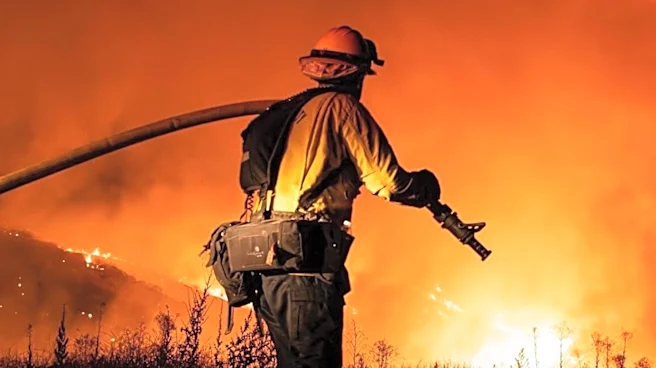
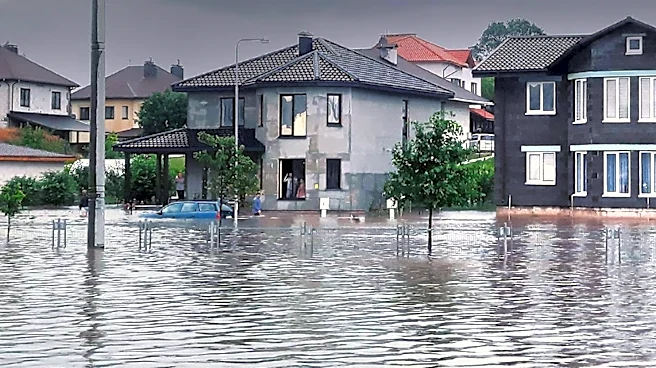
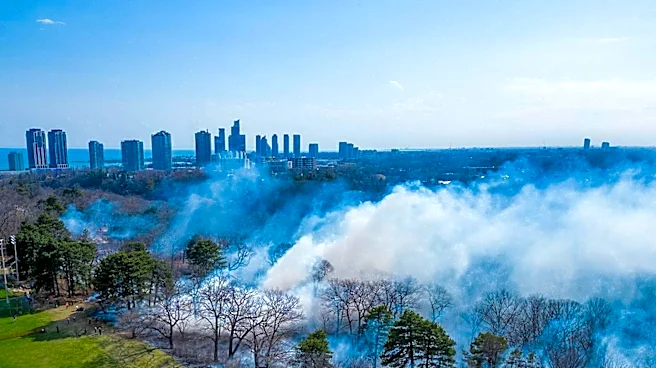
A series of severe thunderstorms is expected to impact the Midwest and East Coast, potentially causing flash flooding and exacerbating air quality issues due to lingering wildfire smoke. The National Weather Service has issued warnings for July 20 and 21,
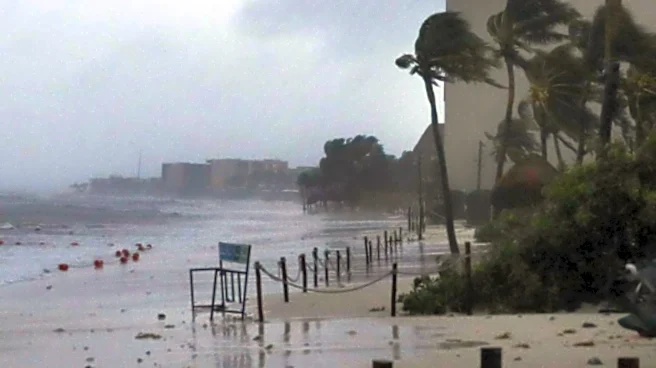
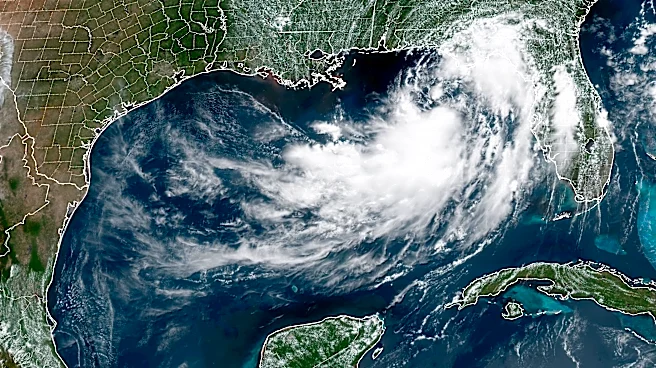
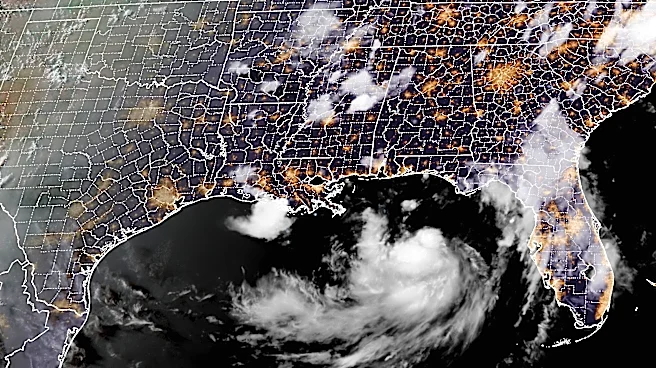
as storms develop along a cold front moving through the Upper Midwest and Ohio Valley. This weather event follows recent storms that resulted in at least eight fatalities due to flash flooding in Texas, Arizona, and Utah. Additionally, a tropical depression in the Gulf of Mexico is anticipated to strengthen into a tropical storm, bringing heavy rain and wind to the Gulf Coast. Meanwhile, a heat wave is affecting the central U.S., with heat indices reaching up to 116 degrees in some areas, prompting extreme heat warnings.
Why It's Important?
The severe weather conditions pose significant risks to public safety and infrastructure across multiple regions. Flash flooding can lead to property damage, displacement, and potential loss of life, as seen in recent events. The toxic air quality from wildfire smoke presents health hazards, particularly for vulnerable populations such as children, the elderly, and those with pre-existing respiratory conditions. The heat wave further strains public health resources and emphasizes the need for community preparedness and resilience. These events highlight the interconnectedness of climate-related challenges and the importance of coordinated response efforts across state and federal agencies.
What's Next?
As the weather systems progress, emergency services and local governments are likely to remain on high alert, ready to respond to any incidents of flooding or heat-related emergencies. The development of the tropical depression into a named storm will be closely monitored, with potential impacts on the Gulf Coast requiring evacuation plans and resource allocation. Public health advisories will continue to emphasize the importance of staying indoors and hydrated during the heat wave. Long-term, these events may prompt discussions on infrastructure improvements and climate adaptation strategies to better handle such extreme weather conditions in the future.
Beyond the Headlines
The recurring nature of these severe weather events underscores the broader implications of climate change and its impact on weather patterns. The increased frequency and intensity of storms, heat waves, and wildfires may lead to shifts in policy and public awareness regarding environmental sustainability and disaster preparedness. Additionally, the economic impact on agriculture, insurance, and healthcare sectors could drive further investment in climate resilience and mitigation efforts. These developments may also influence political discourse and legislative priorities concerning environmental regulations and climate action.