



What's Happening?
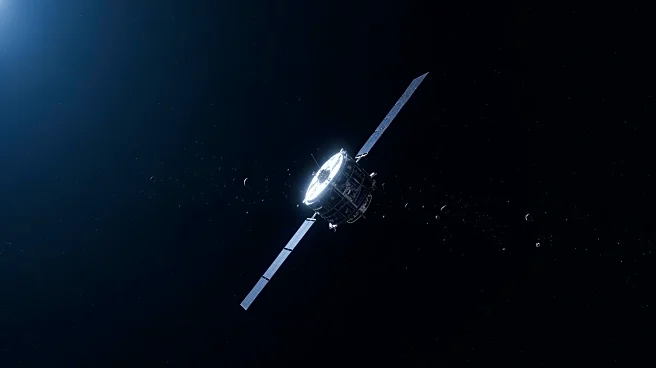
A Starlink satellite, identified as Starlink 35956, experienced an onboard anomaly that led to the venting of its propellant and the release of debris. This incident occurred after the satellite lost communication at an altitude of 418 km. The satellite, launched
on November 23, 2025, is now tumbling but remains intact. Starlink has stated that the satellite will reenter Earth's atmosphere and disintegrate within weeks. The event has raised concerns about the increasing debris in low Earth orbit, a situation that could lead to the Kessler Syndrome, where cascading debris makes certain orbits unusable. Starlink engineers are investigating the cause of the anomaly and are deploying software updates to prevent similar incidents.
Why It's Important?
The incident underscores the growing issue of space debris, which poses a significant risk to satellites and space missions. As low Earth orbit becomes more crowded, the potential for collisions and debris-related incidents increases, threatening the safety and sustainability of space operations. This event highlights the need for improved debris management and collision avoidance strategies. The creation of debris from the Starlink satellite adds to the existing challenges faced by space agencies and companies in maintaining safe and operational orbits.
What's Next?
Starlink engineers are actively working to identify the root cause of the anomaly and implement measures to prevent future occurrences. The satellite is expected to burn up upon reentry, minimizing long-term debris impact. However, the incident may prompt regulatory bodies and space organizations to review and enhance guidelines for satellite operations and debris mitigation. The space industry may also see increased collaboration to address the growing debris problem and ensure the safety of future missions.