



What's Happening?
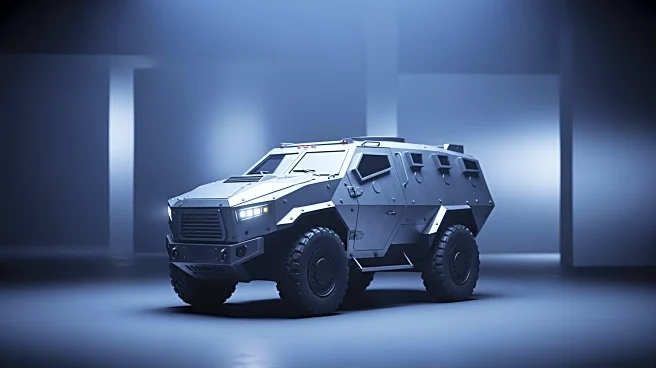
Rheinmetall Defence Australia (RDA) has presented the first completed Boxer heavy weapon carrier infantry vehicle for the German Army. This event took place during a visit by German Defence Minister Boris Pistorius to Rheinmetall's Military Vehicle Centre
of Excellence in Redbank, Queensland, on March 27, 2026. The vehicle, known as the Schwerer Waffenträger Infanterie (sWaTrg Inf), is part of a significant military export agreement between Australia and Germany. The Australian government signed a production agreement with RDA in April 2024 to produce over 100 of these vehicles for export to Germany, marking Australia's largest foreign military export to the country. The sWaTrg Inf is set to replace the Bundeswehr's Wiesel 1 tracked tactical direct fire support weapon carrier and will equip the German Army's new medium forces. The vehicle is based on the Australian Army's Boxer Combat Reconnaissance Vehicle and features advanced weaponry, including the Lance turret and the Multi-role-capable Light Missile System.
Why It's Important?
This development signifies a strengthening of military ties between Australia and Germany, highlighting Australia's growing role in the global defense industry. The production and export of the Boxer heavy weapon carrier represent a significant economic opportunity for Australia, potentially boosting its defense manufacturing sector. For Germany, the acquisition of these advanced vehicles is crucial for modernizing its military capabilities, particularly in enhancing the operational effectiveness of its medium forces. The collaboration also underscores the strategic importance of international defense partnerships in addressing global security challenges. The introduction of the sWaTrg Inf vehicles is expected to enhance the German Army's tactical capabilities, providing a modern and versatile platform for various military operations.
What's Next?
The first deliveries of the Boxer heavy weapon carriers to Germany are scheduled to begin in 2026, with the process continuing through 2030. This timeline indicates a long-term commitment to the partnership between the two countries. As the vehicles are integrated into the German Army, there may be further opportunities for collaboration in training and operational deployment. Additionally, the success of this project could pave the way for future defense contracts between Australia and other nations, potentially expanding Australia's influence in the global defense market. Stakeholders in both countries will likely monitor the deployment and performance of these vehicles closely to assess their impact on military operations.