




What's Happening?
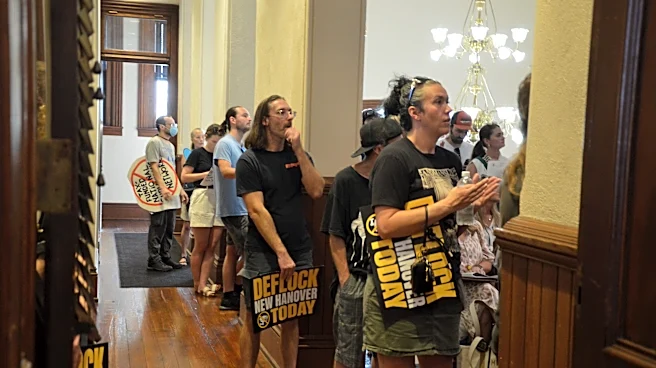
The Woodstock City Council recently convened a meeting, moved to the Opera House due to high public turnout, to discuss the use of Flock license plate readers and security cameras. Many residents expressed opposition, citing concerns about mass surveillance,
potential misuse, and the targeting of specific communities like Latino and LGBTQ+ groups. Opponents, some wearing 'Stop Flock' clothespins, presented petitions against the cameras. Council member Tom Nierman, who initially voted for the cameras, stated he would not support canceling the contract but would review aspects like video storage duration. Council member Melissa McMahon, an organizer for Woodstock Pride, indicated that future Woodstock Pride events might seek off-Square locations if the cameras remain. Mayor Mike Turner acknowledged past abuses of the system, emphasizing that those responsible should face severe consequences, including job loss, civil liability, and criminal charges. He also highlighted successful cases where the technology aided law enforcement, such as identifying an arson suspect and locating a man accused of abduction and sexual assault. City officials maintain that license plate readers are valuable law enforcement tools and have released a transparency portal detailing their usage policies, which prohibit use for immigration enforcement, interference with reproductive healthcare, traffic enforcement, harassment, or personal use.
Why It's Important?
This situation highlights a growing national debate regarding privacy versus public safety in the context of advanced surveillance technologies. The public's strong reaction in Woodstock, including concerns about mass surveillance and potential targeting of minority groups, reflects broader societal anxieties about data collection and civil liberties. The mayor's acknowledgment of system abuse, coupled with the company Flock's recent policy changes to address national criticism (such as shortening data retention and implementing audit features), indicates a recognition of these concerns at both local and corporate levels. The outcome of Woodstock's deliberations could influence how other U.S. municipalities approach the implementation and regulation of similar surveillance systems. It also underscores the importance of transparency and accountability in law enforcement technology, as residents demand clearer guidelines and oversight to prevent misuse and protect constitutional rights, particularly the Fourth Amendment's protection against unreasonable search and seizure. The debate also touches upon the balance between effective crime-solving tools and the potential for overreach and erosion of trust between communities and law enforcement.
What's Next?
The Woodstock City Council is expected to continue refining the use of the Flock system, with Mayor Mike Turner requesting the city manager and police chief to regularly discuss potential alternatives. Council member Tom Nierman will review program aspects and may suggest changes, such as shortening video storage times, a measure Flock itself has recommended. Council member Melissa McMahon is pushing for the city to formally reconsider canceling the contract. The effectiveness of Flock's recently announced policy changes, including mandatory audit assistance features and proactive lockout mechanisms for abnormal user behavior, will be closely watched. These changes aim to mitigate concerns about misuse and enhance accountability. The ongoing dialogue between city officials and residents will likely shape future policies regarding surveillance technology in Woodstock, potentially setting a precedent for other communities grappling with similar issues. The legal and ethical implications of such systems will remain a focal point, with continued scrutiny from civil liberties advocates and community organizations.
Beyond the Headlines
The Woodstock debate over license plate readers delves into fundamental questions about the nature of public space and privacy in an increasingly digital world. The concept of a 'sacred ground' like Woodstock Square being subjected to constant surveillance raises philosophical questions about community identity and freedom. The fear of specific groups being targeted, such as Latino and LGBTQ+ communities, highlights the potential for algorithmic bias and discriminatory application of technology, even if unintended. This local controversy reflects a broader national trend where technological advancements outpace regulatory frameworks, leading to a reactive rather than proactive approach to governance. The case of former officer William Copp, accused of illegally using Flock readers for personal tracking, underscores the critical need for robust oversight and severe penalties for abuse to maintain public trust. The discussion also touches on the evolving definition of 'safety'—whether it is achieved through pervasive surveillance or through community-led initiatives and trust-building. The long-term implications could include a re-evaluation of how cities balance technological adoption with the protection of civil liberties, potentially leading to new legal precedents or community-driven oversight models for surveillance technologies.