






What's Happening?
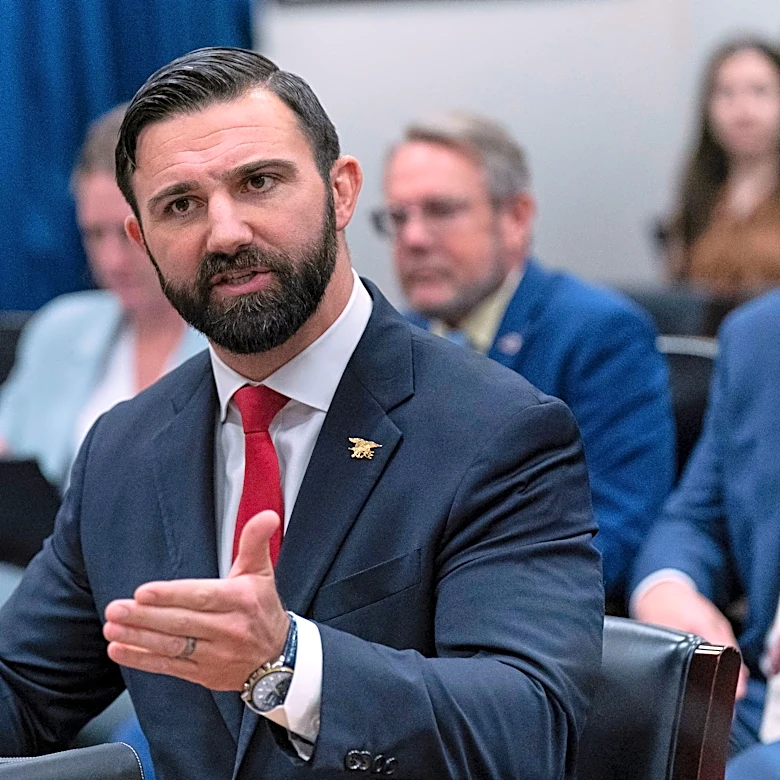
U.S. Representative Angie Craig from Minnesota has expressed concerns about the increasing difficulties faced by young and beginning farmers in the United States. Speaking at the NAFB's 2026 Washington Watch, Craig, who serves as the Ranking Member of
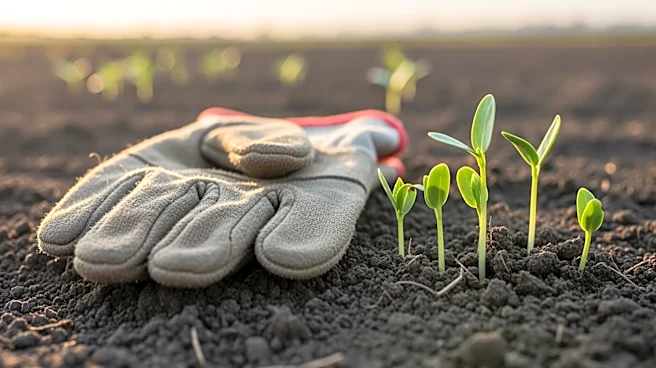
the U.S. House Agriculture Committee, highlighted the escalating production expenses that are burdening farmers. She noted that costs for essential inputs such as fertilizer, diesel, seeds, machinery, utilities, and labor have surged, while commodity prices remain unsatisfactory for many. Craig emphasized that access to affordable credit is a significant barrier for young farmers, who are struggling to secure loans necessary for the planting season. Additionally, she pointed out that the average age of U.S. farmers is increasing, which she described as a 'real problem' for the future of agriculture.
Why It's Important?
The issues raised by Rep. Craig are critical as they underscore the challenges that could impact the sustainability and growth of the U.S. agricultural sector. The rising costs of production inputs and the difficulty in accessing affordable credit could deter young individuals from entering farming, potentially leading to a decline in the number of active farmers. This situation could exacerbate the aging farmer population problem, threatening the long-term viability of the agricultural industry. The inability of young farmers to secure necessary funding could also lead to reduced agricultural output, affecting food supply and prices. Addressing these challenges is vital for ensuring a stable and prosperous agricultural future in the U.S.
What's Next?
To address these challenges, policymakers and agricultural stakeholders may need to explore solutions such as providing more accessible credit options for young farmers and implementing measures to control production costs. There could be increased advocacy for legislative support to assist beginning farmers in overcoming financial barriers. Additionally, discussions around agricultural policy reforms may intensify, focusing on creating a more supportive environment for the next generation of farmers. The outcome of these efforts will be crucial in shaping the future landscape of U.S. agriculture.