


What's Happening?
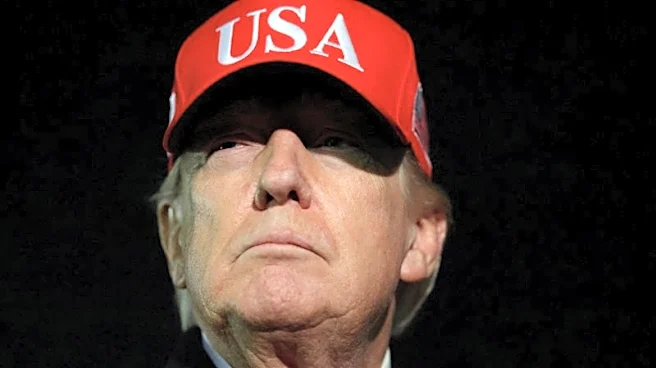
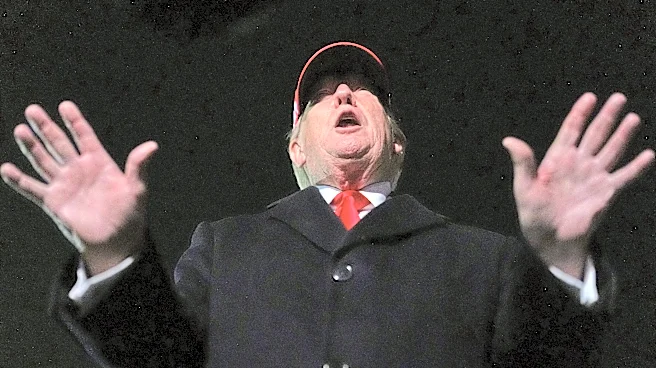
The White House has a long history of concealing health issues of U.S. presidents, a practice that has persisted for over a century. Recent scrutiny has been directed at President Trump's health, with questions arising about the transparency of his medical
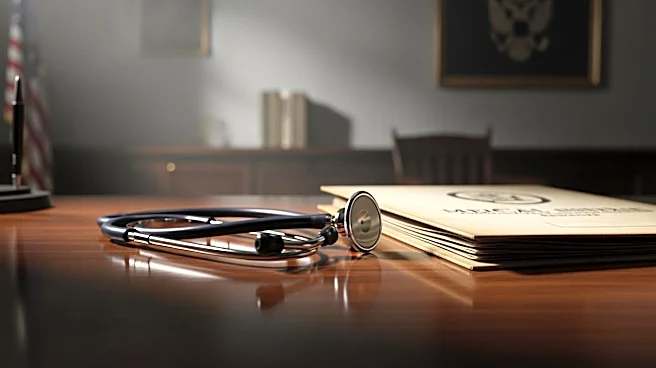
reports. In late 2025, President Trump claimed excellent health following an annual physical, which included an MRI described as routine by White House doctor Sean Barabella, despite experts noting it is not standard. Visible health concerns, such as hand bruises and a neck rash, have been attributed to benign causes by the administration. Historically, presidents like Grover Cleveland, Woodrow Wilson, Franklin D. Roosevelt, John F. Kennedy, and Ronald Reagan have also had significant health issues that were kept from the public. These ranged from secret surgeries and strokes to chronic conditions and assassination attempts, with varying degrees of concealment and public deception.
Why It's Important?
The concealment of presidential health issues raises significant concerns about transparency and accountability in the U.S. government. The health of a president is crucial, as it directly impacts their ability to perform the duties of the office. Lack of transparency can lead to misinformation and erode public trust. It also poses risks to national security if a president is incapacitated without the public or even their administration being fully aware. This practice of secrecy can affect political stability and decision-making processes, as seen in historical instances where first ladies or close aides had to manage presidential duties. The ongoing scrutiny of President Trump's health highlights the need for clearer protocols and transparency regarding the health of national leaders.
What's Next?
The issue of presidential health transparency is likely to continue being a topic of debate, especially as future elections approach. There may be calls for legislative measures to ensure more openness about the health of sitting presidents. Political leaders, medical professionals, and the public might push for standardized reporting and independent medical evaluations to prevent misinformation. The historical pattern of concealment could lead to increased media scrutiny and public demand for accountability. As the political landscape evolves, the handling of presidential health information could become a significant factor in electoral campaigns and governance.
Beyond the Headlines
The ethical implications of concealing presidential health issues are profound. It raises questions about the balance between privacy and the public's right to know. The practice also reflects broader cultural attitudes towards health and disability, particularly in leadership roles. Historically, the concealment of health issues has been driven by fears of perceived weakness, which can perpetuate stigma around illness and disability. This ongoing issue may prompt discussions about the need for cultural shifts in how health and leadership are perceived, potentially influencing future policies and societal attitudes.