




What's Happening?
Nigeria and Niger are enhancing their cross-border collaboration to improve vaccination coverage and disease surveillance, particularly in communities along their shared border. This initiative addresses the challenges posed by frequent movement of people
for trade, farming, and pastoral activities, which can interrupt routine vaccinations and facilitate the spread of diseases. Health authorities from both countries recently held the third-quarter International Border Surveillance and Routine Immunization Synchronization Meeting in Katsina State, Nigeria. During this meeting, they agreed on coordinated measures to reach unvaccinated children, provide missed doses, detect disease threats early, and strengthen outbreak responses in mobile and hard-to-reach populations. This collaboration has already supported joint outbreak responses, including reactive vaccination following a cholera outbreak in Madaroufa, Maradi Region, coordinated with Jibia Local Government Area in Katsina State.
Why It's Important?
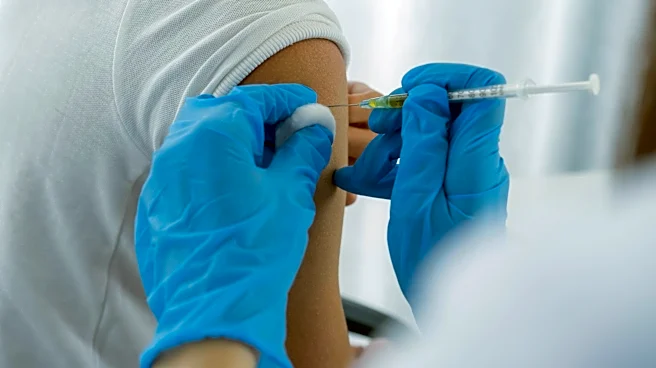
The coordinated health efforts between Nigeria and Niger are vital for regional public health security. The continuous movement of populations across borders creates a significant risk for the rapid transmission of infectious diseases like polio, measles, diphtheria, cerebrospinal meningitis, and cholera. By sharing information, synchronizing vaccination schedules, and conducting joint surveillance, both nations can create a more robust defense against outbreaks. This proactive approach protects not only the border communities but also the wider populations of both countries, preventing potential epidemics that could strain healthcare systems and cause significant economic disruption. The initiative also contributes to global health goals, such as the Immunization Agenda 2030, by ensuring that underserved and mobile populations receive essential vaccinations.
What's Next?
Health authorities in Nigeria and Niger plan to hold quarterly cross-border review meetings to monitor vaccination coverage, identify gaps, and implement corrective actions. The joint action framework established during the recent meeting aims to identify settlements and mobile populations missed by vaccination services, facilitate faster exchanges of surveillance information, expand vaccination services in underserved communities, and encourage community reporting of unusual illnesses. This ongoing collaboration will continue to focus on strengthening the Integrated Disease Surveillance and Response framework in Nigeria and ensuring that children on both sides of the border receive necessary immunizations. The sustained cooperation is expected to build a healthier and safer border region, mitigating the risks associated with cross-border movement.
Beyond the Headlines
This cross-border health initiative highlights the interconnectedness of public health in a globalized world, particularly in regions with porous borders and high population mobility. It underscores the principle that disease knows no borders, and effective control requires international cooperation rather than isolated national efforts. The collaboration also addresses the ethical imperative of ensuring health equity for all, including those in mobile and hard-to-reach communities who often face barriers to healthcare access. By integrating surveillance and immunization programs, Nigeria and Niger are not only tackling immediate health threats but also building long-term capacity for health security and fostering trust and cooperation between neighboring nations. This model of shared responsibility could be replicated in other regions facing similar transnational health challenges.