






What's Happening?
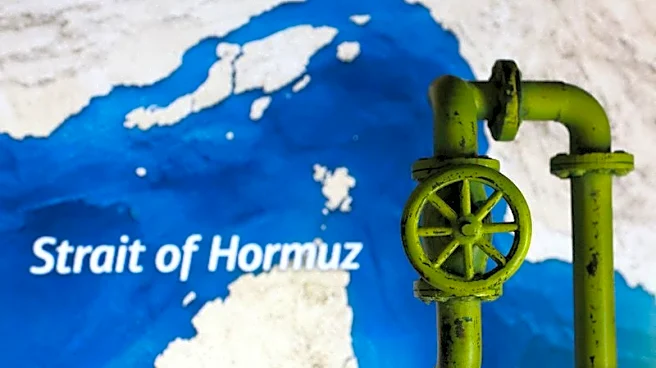
The United Nations Security Council is set to vote on a resolution aimed at reopening the Strait of Hormuz, a critical waterway for global oil transportation, which has been effectively closed for over a month. The resolution, drafted by Bahrain, authorizes
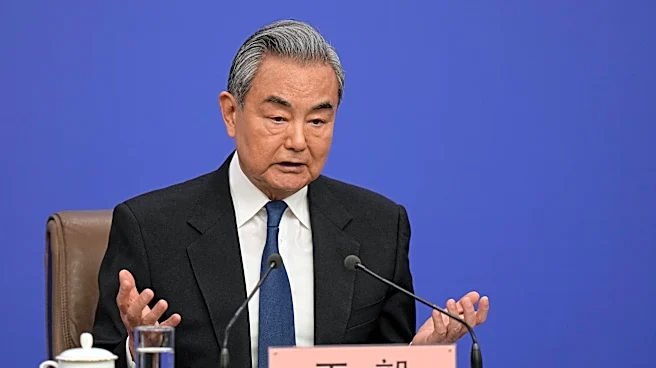
the use of 'all defensive means necessary' to protect commercial shipping for at least six months. However, China has expressed strong opposition to the resolution, warning that it could legitimize the unlawful use of force and lead to further escalation. China's U.N. envoy, Fu Cong, emphasized the potential for serious consequences if the resolution passes. The resolution requires at least nine favorable votes and no vetoes from the five permanent members of the Security Council: the U.S., Russia, China, Britain, and France.
Why It's Important?
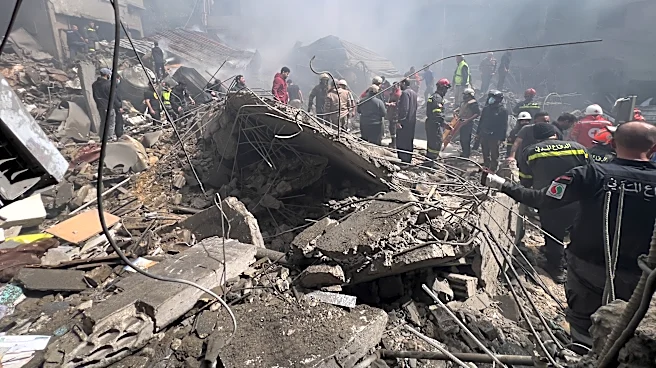
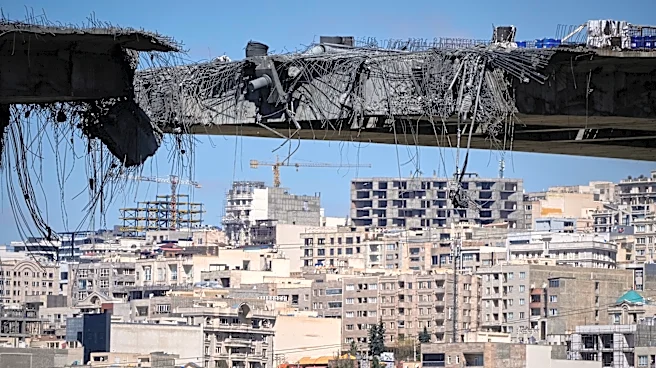
The closure of the Strait of Hormuz has already led to a significant increase in global oil prices, with Brent crude futures rising by nearly 8% to $109.24. The ongoing conflict, which began with U.S. and Israeli strikes on Iran, has disrupted oil distribution and heightened tensions in the region. The resolution's passage could stabilize shipping routes and potentially lower energy costs, but China's opposition highlights the geopolitical complexities involved. The situation underscores the delicate balance of power within the Security Council and the potential for international conflict if a consensus is not reached. The outcome of the vote could have far-reaching implications for global energy markets and international relations.
What's Next?
The Security Council vote is scheduled for Friday, and its outcome will determine the next steps in addressing the closure of the Strait of Hormuz. If the resolution passes, it could lead to increased military presence in the region to ensure the safety of commercial shipping. However, if China or any other permanent member vetoes the resolution, the situation could remain unresolved, leading to continued instability in oil markets. The international community will be closely watching the vote, as it could set a precedent for future actions in similar geopolitical conflicts. The U.S. and its allies may need to explore alternative diplomatic or military strategies if the resolution fails.