






What's Happening?
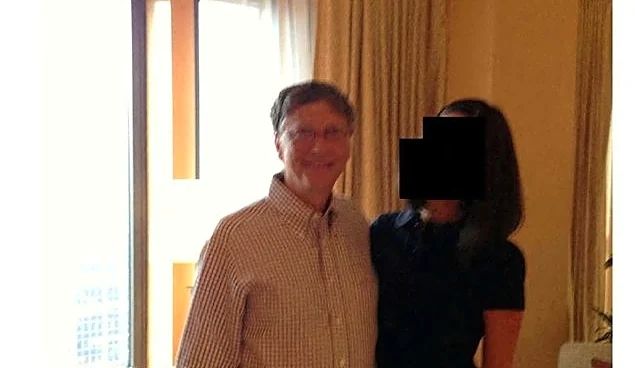
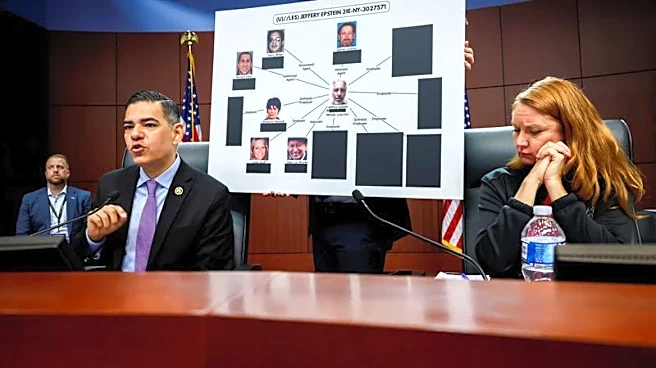
Billionaire Bill Gates testified before the House Oversight Committee regarding his past relationship with the late financier Jeffrey Epstein. Gates, the co-founder of Microsoft, faced questions about his interactions with Epstein, which have come under scrutiny
following the release of the Epstein files. During the closed-door session, Gates expressed regret for his association with Epstein, stating he never witnessed any criminal conduct by Epstein and was unaware of the full extent of Epstein's crimes at the time. Gates acknowledged that his meetings with Epstein, which occurred between 2011 and 2014, were a mistake and emphasized that no charitable funds were raised through their discussions. The committee's investigation aims to understand the nature of Gates' relationship with Epstein and whether it involved any misconduct.
Why It's Important?
The testimony of Bill Gates is significant as it sheds light on the connections between high-profile individuals and Jeffrey Epstein, who was convicted of sex crimes. Gates' acknowledgment of his association with Epstein, despite the latter's criminal background, raises questions about the judgment and decision-making of influential figures in business and philanthropy. The investigation by the House Oversight Committee seeks to ensure transparency and accountability, particularly in understanding how Epstein leveraged his connections to gain legitimacy. This scrutiny could impact Gates' reputation and influence ongoing discussions about ethical standards in philanthropy and business dealings.
What's Next?
Following Gates' testimony, the House Oversight Committee is expected to release a transcript of the interview. The committee may also call additional witnesses, including other high-profile individuals connected to Epstein, to further investigate the extent of Epstein's network and influence. The Gates Foundation is conducting its own investigation into Gates' interactions with Epstein, which remains ongoing. The outcomes of these investigations could lead to broader discussions on the responsibilities of public figures in vetting their associations and the potential need for stricter ethical guidelines in philanthropic and business engagements.